10 Essential Basic Bushcraft Skills for Beginners: Start Your Wilderness Adventure
Embarking on a wilderness adventure can be both exhilarating and daunting, especially if you’re a beginner. Knowing a few basic bushcraft skills can make all the difference, turning an intimidating experience into an enjoyable and safe journey into nature. Bushcraft skills help you thrive in the natural environment using knowledge passed down through generations, combined with some modern techniques. Whether you’re planning a short camping trip or a prolonged stay in the wild, mastering these 10 essential basic bushcraft skills will start your wilderness adventure off on the right foot.
1. Understanding Basic Survival Needs
Before you dive into the specific skills, it’s crucial to understand your basic survival needs: shelter, water, fire, and food. Each skill you learn should contribute to meeting these needs in a resourceful and sustainable way.
Shelter Building
Constructing a reliable shelter is one of the most crucial skills in bushcraft. A good shelter protects you from the elements and can be life-saving in extreme conditions. Practice building different types of shelters such as a lean-to, A-frame, or a debris hut depending on available materials and environmental conditions.
Water Procurement and Purification
Water is life. Finding and purifying water in the wilderness is a vital skill. Learn to identify water sources and remember, water must always be treated. Techniques such as boiling with hot stones, using water purification tablets, or constructing a simple filter from natural materials can be indispensable.
Fire Making
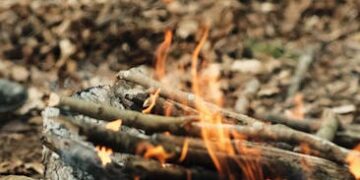
Fire serves multiple purposes in the wild – warmth, cooking, signaling, and psychological comfort. Master traditional fire-starting techniques like the flint and steel, bow drill, or the hand drill. Understand the type of tinder and kindling that will work best in different weather conditions.
Foraging and Hunting
For longer survival situations, knowing how to find and prepare food is essential. Learn the basics of foraging for edible plants, roots, and berries. Knowledge of local wildlife can also help in setting traps or fishing.
2. Knife Skills
A good bushcraft knife is your best friend in the wilderness. It is a versatile tool used for cutting, carving, food preparation, and crafting other tools. Practice different cutting techniques safely, such as carving, chopping, and slicing. Always keep your knife sharp and handle it with care to avoid injuries.
3. Knot Tying
Ropes and knots are foundational in constructing shelters, setting up tarps, or securing gear. Learn a variety of knots, such as the bowline, square knot, and the taut-line hitch. These knots have different uses and it’s important to know when to use each type.
4. Navigation
In the age of GPS and smartphones, traditional navigation skills are often overlooked. However, learning to navigate using a map and compass can be a lifesaver when technology fails. Understand basic orienteering, how to read topographic maps, and the basics of using the sun and stars for direction.
5. Wood Crafting
Being able to craft wood not only allows you to create useful tools and items but also helps in building shelters. Learn how to safely use a knife and axe to split wood, carve spoons, or fashion a walking stick. These skills enhance your bushcraft experience and deepen your connection with nature.
6. Cordage Making
Sometimes you might find yourself needing more rope or string. Knowing how to make cordage from natural materials like plant fibers or tree bark is a useful bushcraft skill. This can be used for everything from repairing gear to fishing lines.
7. Tracking and Trap Setting
Understanding animal tracks and signs can enrich your wilderness experience and is essential for hunting. Learn to set snares and traps in a responsible and ethical way to catch small game or fish, ensuring you respect wildlife regulations and sustain populations.
8. Weather Prediction
Learning to read natural indicators to predict the weather can greatly enhance your bushcraft skills. Observing patterns in the air, cloud types, and wind direction can help you anticipate weather changes and prepare accordingly.
9. First Aid
Knowledge of basic first aid is crucial. Learn how to treat common injuries and illnesses that could occur in the wilderness, such as cuts, burns, bites, or hypothermia. Always carry a basic first aid kit.
10. Respecting Nature
An essential bushcraft skill is understanding and respecting the environment you’re interacting with. Practice ‘Leave No Trace’ principles to minimize your impact and ensure the natural spaces remain pristine for future adventurers.
Conclusion: Ready for the Wild?
With these 10 essential basic bushcraft skills, you’re now better prepared to start your wilderness adventure. Remember, each skill can be improved with practice and experience. Take the time to learn from each outing, and you’ll find yourself becoming more confident and capable in the wild. So gear up, step out, and embrace the challenges and joys of bushcrafting – your adventure awaits!