10 Essential First Aid Tips for Remote Areas: Stay Safe Off the Grid
When venturing off the beaten path into remote areas, it’s both exhilarating and, at times, risky. Whether you’re hiking in the backcountry, camping in the wilderness, or engaging in any outdoor activities far from civilization, being prepared for any medical emergency is crucial. In environments where immediate medical help is not readily available, knowing these 10 Essential First Aid Tips for Remote Areas: Stay Safe Off the Grid can make a significant difference in ensuring safety and handling potential emergencies effectively.
1. Educate Yourself on Basic First Aid Techniques
Before heading out, invest time in learning basic first aid techniques. This includes how to treat cuts, sprains, burns, and fractures. Taking a certified first aid course is highly recommended, as it provides hands-on experience that could be vital in a crisis.
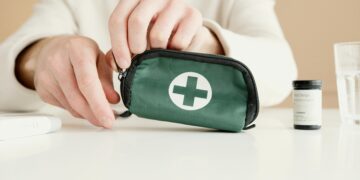
2. Pack a Comprehensive First Aid Kit
Your first aid kit should be tailored to the nature and duration of your trip as well as the potential risks involved. Essentials include:
- Bandages and gauze of various sizes.
- Antiseptic wipes and creams.
- Sterile gloves and scissors.
- Pain relievers like acetaminophen or ibuprofen.
- Allergy medications, such as antihistamines and epinephrine auto-injectors (if prescribed).
- Tweezers for removing splinters or ticks.
Label items and organize the kit so that everything is accessible and easy to find even in a stressful situation.
3. Learn to Recognize and Treat Hypothermia and Heatstroke
Temperature-related illnesses are common in remote areas. Hypothermia can occur in cold conditions, while heatstroke might strike during intense heat.
- For hypothermia: Move the person to a warmer place, replace any wet clothing with dry ones, and use blankets to warm them slowly.
- For heatstroke: Move the person to a shaded or cooler environment, encourage them to drink water if they’re conscious, and cool them down with water or damp cloths.
4. Handle Animal and Insect Bites Appropriately
Wildlife encounters can lead to bites or stings. For most insect stings, remove the sting if visible, wash the area, and apply a cold pack to reduce swelling. For animal bites, clean the wound immediately with soap and water and seek medical advice as some might require a rabies shot.
5. Know How to Manage Wounds and Prevent Infections
For any wound, cleanliness is key. Wash the wound thoroughly with clean water, apply antiseptic, and cover with a sterile bandage. Change the dressing daily or whenever it gets wet or dirty to prevent infection.
6. Understand and Prepare for Altitude Sickness
Altitude sickness can affect anyone ascending above 2,500 meters (8,000 feet). Symptoms include headache, nausea, and dizziness. Acclimatize gradually, stay hydrated, and consider carrying medication like acetazolamide after consulting with a healthcare provider.
7. Assemble and Use a Splint for Fractures and Sprains
If you suspect a fracture or severe sprain, immobilize the limb. You can make a splint from nearby materials like sticks or padded clothing. Secure the splint without tightening it too much and try to keep the limb elevated.
8. Stay Hydrated and Monitor for Signs of Dehydration
Dehydration can exacerbate any medical condition. Encourage regular fluid intake, especially water. Signs of severe dehydration include very dark urine, dry skin, dizziness, and rapid heartbeat. In cases of dehydration, having oral rehydration salts in your first aid kit can be life-saving.
9. Be Prepared for Emergencies with CPR Knowledge
Cardiopulmonary resuscitation (CPR) can be a lifesaver in the event of a heart attack or drowning. Being trained to perform CPR effectively is essential as it can maintain vital blood flow to the brain and organs until professional medical help arrives.
10. Develop an Emergency Communication Plan
Since you might be out of service range, having a plan to communicate in emergencies is vital. This can include carrying a satellite phone, a personal locator beacon, or other GPS-enabled devices. Always inform someone about your travel plans and expected return.
Conclusion
Adventures in remote areas require more than just physical endurance and a love for the outdoors. They demand preparedness, particularly in managing medical situations when help isn’t immediately available. By mastering these 10 Essential First Aid Tips for Remote Areas: Stay Safe Off the Grid, you equip yourself with the knowledge to deal with various emergencies, ensuring a safer and more enjoyable experience off the grid. Remember, preparation is key, and your safety is paramount. Adventure safely and smartly!