10 Essential Skills You’ll Learn in Survival Medical Training
Understanding how to respond to medical emergencies in survival situations is crucial, whether you’re an outdoor enthusiast, part of an emergency response team, or simply someone who likes being prepared. Survival medical training equips you with the know-how to manage health crises when traditional medical help is not within reach. Here, we delve into the ten essential skills you’ll gain during this invaluable training.
1. Basic First Aid Techniques
Recognizing and Treating Minor Injuries
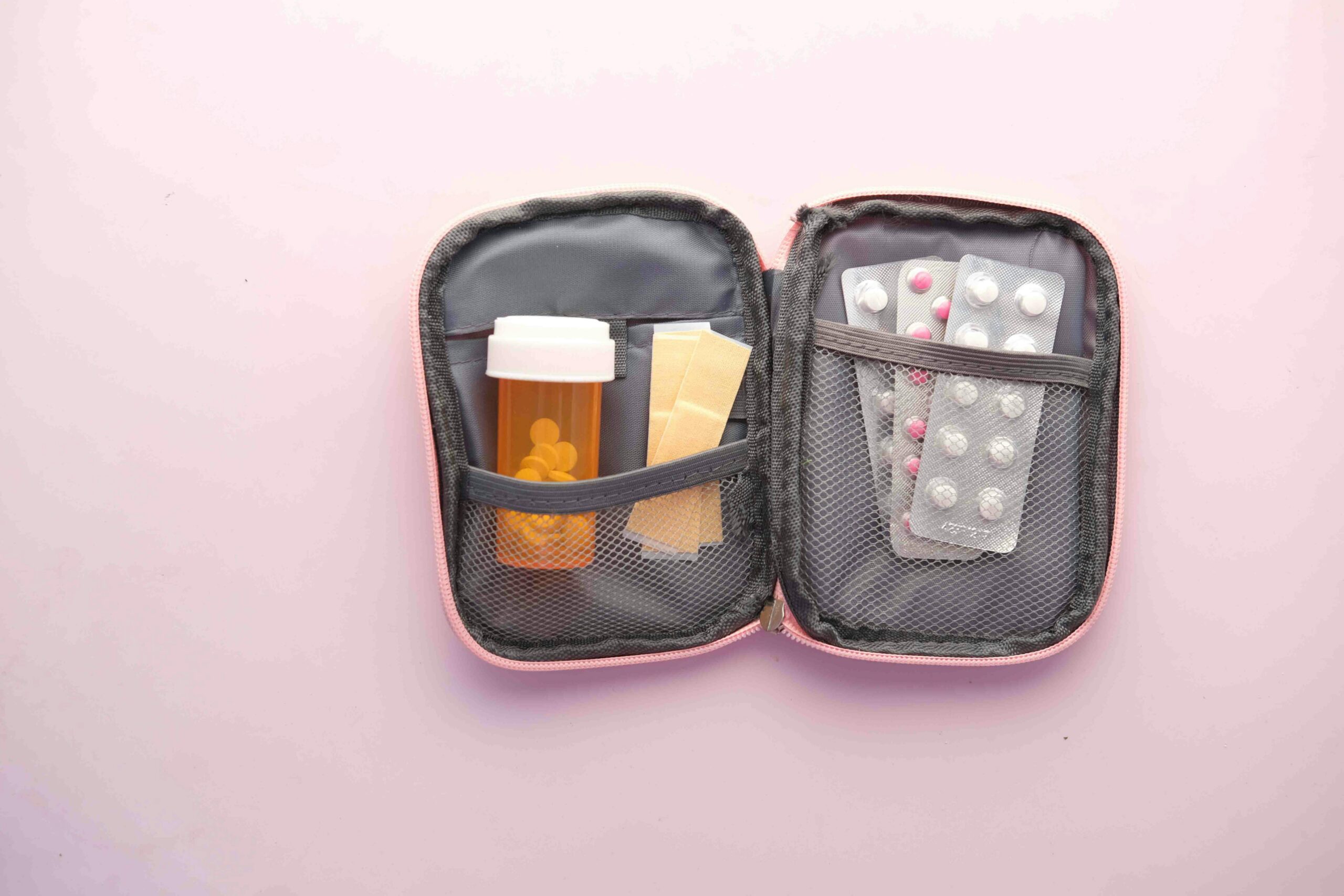
One of the foundational elements you learn in any survival medical course is basic first aid. This includes the ability to assess and manage minor wounds, such as cuts, scrapes, and bruises. Understanding how to properly clean a wound and apply a bandage is essential in preventing infection and promoting healing.
2. CPR and Use of an AED
Lifesaving Skills in Cardiac Emergencies
Cardiopulmonary resuscitation (CPR) is a life-saving skill that is crucial in cardiac arrest situations. Survival medical training often includes thorough instruction in performing CPR, as well as how to use an Automated External Defibrillator (AED). These skills dramatically increase the survival rate following cardiac emergencies, particularly in remote areas where medical response may be delayed.
3. Treatment of Severe Bleeding
Controlling Hemorrhage
Severe bleeding, if unchecked, can lead to shock or even death within minutes. Training includes methods to control bleeding, such as the application of pressure, use of bandages, and potentially the correct application of tourniquets. These techniques are vital in traumatic injuries and can be the difference between life and death.
4. Management of Fractures and Sprains
Stabilizing and Immobilizing Injuries
In wilderness or survival scenarios, injuries like fractures or sprains are common and can impair mobility. Survival medical training teaches you how to stabilize a fracture using splints, which can be improvised from everyday materials, and how to support a sprain to prevent further injury.
5. Handling Environmental Emergencies
Dealing with Hypothermia, Heatstroke, and More
Participants in survival medical courses learn to treat a range of environmental threats—from hypothermia and frostbite in cold climates to heatstroke and dehydration in hot environments. Recognizing early signs and providing the correct first aid can be life-saving when exposed to extreme conditions.
6. Navigation and Rescue Signaling
Ensuring Quick, Safe Rescue
While not strictly medical, navigation and the ability to signal for help are critical in survival scenarios. Training often includes using whistles, mirrors, or smoke to signal distress, as well as basic map-reading and orientation skills to help rescuers locate you quickly.
7. Infection Control
Preventing Worsening Conditions
Post-injury care is vital for avoiding infections, especially in situations where access to clean facilities is limited. Learning about the proper disinfecting techniques and when to administer antibiotics (if available) is a crucial part of survival medical training.
8. Basic Pharmacology
Understanding and Using Essential Medications
Knowing how and when to use common medications is another key component. This includes pain relief, anti-inflammatory drugs, and possibly life-saving prescriptions like epinephrine for severe allergic reactions. Survival medical training often covers the basics of these important medications.
9. Psychological First Aid
Dealing with Trauma in Crisis Situations
Mental health emergencies can escalate quickly, especially in high-stress environments. Survival medical training typically includes elements of psychological first aid, which teaches you how to help others cope with the emotional traumas and stresses in a crisis till professional help can be sought.
10. Practical Survival Skills
Creating a Safe and Healthy Environment
Finally, trainees learn practical survival skills that complement medical training. This includes safe food and water practices to prevent gastrointestinal issues, shelter building to avoid environmental threats, and fire making for warmth and sterilization.
Conclusion
Survival medical training is more than just a set of skills; it’s a preparation for ensuring health, safety, and peace of mind during unexpected situations. From treating wounds to navigating back to safety, each skill you acquire enhances your ability to handle emergencies with confidence. Whether you’re a seasoned explorer or a family camping enthusiast, these 10 essential skills ensure you and your loved ones can enjoy adventures while staying prepared for any medical emergencies that come your way. Remember, the best survival tool is knowledge—and with these skills, you’re well-equipped to tackle whatever challenges the wild may throw at you.