10 Essential Survival First Aid Tips for Remote Areas
Exploring remote areas can be an exhilarating adventure, but it also means you’re often far from the conveniences and safety of civilization. Knowing how to handle medical emergencies in remote settings is crucial for any adventurer, whether you’re hiking, camping, or engaging in any form of off-the-grid exploration. Below, we delve deeply into 10 essential survival first aid tips that will help you prepare effectively for unforeseen situations in remote locales.
1. Know the Basics of CPR and AED Use
Learning Cardiopulmonary Resuscitation (CPR) and Automated External Defibrillator (AED) operations is life-saving. Many healthcare organizations offer short courses where you can gain these vital skills. Having these abilities means you can help restore someone’s breathing and heartbeat in emergency situations.
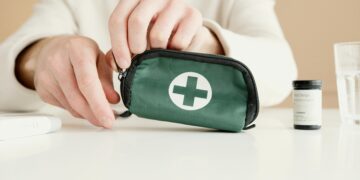
2. Pack a Comprehensive First Aid Kit
Your first aid kit should be tailored to the nature and duration of your trip. Essential items include:
- Bandages and gauze of various sizes
- Antiseptic wipes and creams
- Sterile gloves and scissors
- Tweezers
- Pain relievers
- Prescription medications if required
- Allergy medication such as antihistamines and epinephrine injectors (if needed)
This well-stocked kit will help you handle minor injuries and some serious health issues until professional help can be reached.
3. Learn to Recognize Symptoms of Major Health Issues
Understanding signs of significant health issues such as stroke, heart attack, and severe allergic reactions can be crucial. Recognize symptoms such as chest pain, difficulty in breathing, severe swelling, and sudden headache. Quick and correct recognition of these symptoms could potentially save a life.
4. Understand How to Treat Wounds
Effective wound management prevents infection and further complications. Clean wounds immediately with clean water and apply antiseptic. For severe bleeding, apply steady pressure with a sterile bandage or cloth. Always ensure your hands are clean or use gloves to prevent infection.
5. Master the Art of Splinting and Treating Fractures
In case of fractures, knowing how to immobilize the affected area can prevent further injury. Use sticks, magazines, or padding as splints, secured with cloth strips or bandages. However, if you’re unsure about the nature of the injury, it’s best to keep the limb as immobile as possible until help arrives.
6. Handling Bites and Stings
In remote areas, wildlife encounters are common, making bites and stings likely. For non-venomous bites, clean the wound and apply a bandage. In the case of venomous bites, immobilize the affected area and keep it lower than the heart while seeking emergency help. Always check for allergies and carry necessary medications.
7. Stay Hydrated and Protect Against Heat Exhaustion
Dehydration and heat-related illnesses are common and preventable. Always carry enough water and stay hydrated. Recognize signs of heat exhaustion including heavy sweating, weakness, cold, pale, and clammy skin. Find shade, rest, and rehydrate immediately.
8. Prepare for Cold-Weather Issues
Hypothermia is a real risk in cold climates. Keep dry and wear layers of warm clothing. Recognize symptoms like intense shivering, exhaustion, confusion, and fumbling hands. If suspected, gradually warm the person and seek medical assistance as soon as possible.
9. Educate Yourself About Local Flora and Fauna
Knowledge of local plants and animals can prevent complications. Some plants can be toxic, and touching or ingesting them can cause health issues. Learn about the wildlife and plant life of your destination to avoid unwanted encounters or use of hazardous plants.
10. Learn Emergency Communication Techniques
In remote areas, communication could be challenging. Knowing how to signal for help, using mirrors, lights, or creating ground symbols that are visible from the air, can be crucial. Invest in a satellite phone or a GPS device, and always let someone know your itinerary before you depart.
Conclusion
Being prepared with these 10 essential survival first aid tips can significantly enhance your safety when exploring remote areas. Always prioritize safety, prepare adequately, and maintain a calm and informed approach to handle any medical emergencies effectively. Remember, your greatest survival tool is your knowledge and preparedness. Stay safe, stay informed, and enjoy your adventures in the great outdoors!