7 Essential Off Grid Food Sourcing Tips for Self-Sufficiency
Are you planning on embracing a life away from the hustle and bustle, where the only tweets you hear are from birds and not from your smartphone? Going off-grid is an admirable venture, infusing independence and sustainability into your daily life. When it comes to living sustainably, one of the most crucial aspects to master is securing a reliable food source. In this post, we’ll explore 7 essential off-grid food sourcing tips for self-sufficiency that can help you thrive in your new lifestyle.
1. Planning Your Off-Grid Garden
1.1 Start With the Right Crops
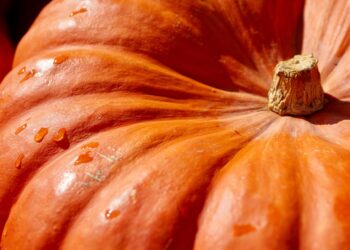
Before you dig in, it’s important to choose crops that are not only suited to your climate but are also high-yielding and nutrient-rich. Potatoes, beans, squash, and leafy greens are great starting points due to their nutritional value and relatively easy growing requirements.
1.2 Utilize Companion Planting
Implement companion planting strategies to boost your garden’s productivity. This method involves pairing plants that benefit each other, helping with pest control, maximizing space, and improving plant health.
2. Preserving Your Harvest
2.1 Canning and Pickling
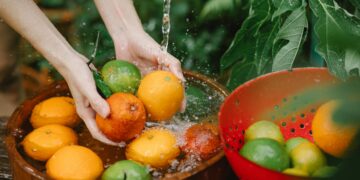
Learn the arts of canning and pickling to preserve your fruits and vegetables. These techniques not only extend the shelf life of your harvest but also ensure that you have a variety of nutritious, home-grown food year-round.
2.2 Drying and Freezing
Don’t forget about drying and freezing, which are simple yet effective methods of food preservation. Dried herbs, fruits, and vegetables retain much of their nutritional value and can be a wonderful addition to meals in the off-season.
3. Raising Livestock for Food
3.1 Select the Right Animals
Depending on the space available, consider smaller livestock such as chickens for eggs, goats for milk, or rabbits for meat. These animals require less space and food than larger livestock and can be easier for a beginner to manage.
3.2 Ensure Proper Care
Keeping your animals healthy is paramount, as it directly affects the quality and safety of the food they produce. Regular veterinary check-ups, a nutritious diet, and clean living conditions are all important.
4. Foraging for Wild Food
4.1 Learn to Identify Edible Plants and Mushrooms
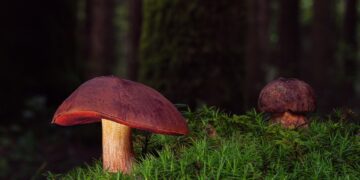
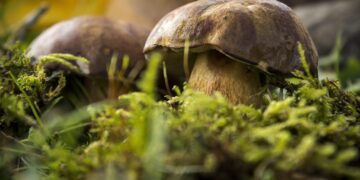
Expand your food sources by learning to forage safely. Edible wild plants and mushrooms can be abundant, but it’s crucial to know exactly what you are picking to avoid toxic species.
4.2 Understand Sustainable Foraging Practices
Always forage with sustainability in mind— taking only what you need and never depleting resources completely. This ensures that the ecosystem remains intact and bountiful.
5. Fishing and Hunting
5.1 Secure the Necessary Permits
If your off-grid life is near water bodies or wooded areas, fishing and hunting can be valuable skills. Ensure you have the proper licenses and understand the local regulations.
5.2 Practice Responsible Hunting and Fishing
Adopt ethical practices such as catch-and-release for fishing and humane hunting techniques, focusing on species that are not threatened and are in season.
6. Bartering with Neighbors
6.1 Exchange Goods and Services
Build relationships with nearby off-grid communities or neighbors. Bartering your surplus goods for items you need not only diversifies your food supply but strengthens community bonds.
6.2 Offer Your Skills
Apart from trading tangible goods like vegetables or eggs, consider offering services such as gardening assistance or carpentry in exchange for other necessities.
7. Resourceful Cooking and Storage
7.1 Cook with Efficiency
Adopt cooking methods that conserve energy, such as solar ovens or multi-purpose pressure cookers. These tools allow you to cook more food with less fuel.
7.2 Optimize Food Storage
Create a storage system that keeps your preserved foods safe and organized. A cool, dry, and dark space is ideal for storing canned goods and root crops like potatoes and onions.
Conclusion
Embracing these 7 essential off-grid food sourcing tips for self-sufficiency not only ensures that you have a consistent, diverse supply of food but also deepens your connection to your environment. From carefully planning your garden to mastering the art of bartering, each strategy brings you closer to a sustainable and fulfilling off-grid lifestyle. Remember, self-sufficiency is a journey that evolves with experience and persistence. Happy farming, foraging, and living freely off the grid!