7 Essentials for Your Off Grid Outdoor Kitchen Setup
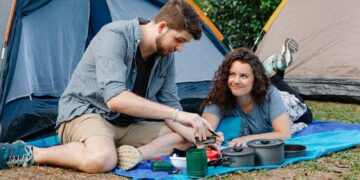
When planning an off-grid outdoor kitchen, it’s about blending functionality and simplicity. Whether you’re setting up a cabin retreat, embarking on a long-term camping adventure, or simply remodeling your backyard space, having the right essentials can drastically improve your cooking experience amidst nature. Here, we break down the 7 essentials for your off-grid outdoor kitchen setup that will ensure you are well-equipped and ready to cook delicious meals without the convenience of modern utilities.
1. Reliable Heat Source
Choosing Your Heat Source:
A dependable heat source is the cornerstone of any outdoor kitchen, especially off-grid. You have several options ranging from portable gas stoves, traditional wood fires, to solar ovens. Each has its pros and cons, depending on availability and environmental conditions.
- Portable Gas Stoves are convenient and control heat well but require you to carry fuel.
- Wood Fires offer a more natural approach, perfect for the off-grid setup, though it demands firewood collection and fire management skills.
- Solar Ovens are excellent in sunny conditions and are the most sustainable option, needing only sunlight to function.
Consider what will work best for your location and how much space you have to dedicate to your heat source.
2. Durable Cookware
Selecting the Right Cookware:
In outdoor conditions, your cookware must withstand various elements. Opt for cast iron, stainless steel, or hard-anodized aluminum pieces—they’re built to last, can handle high heat, and are relatively easy to clean. A well-seasoned cast iron skillet, for example, not only adds flavor to your dishes but also doubles as a non-stick surface.
3. Water Supply System
Ensuring Ample Water Access:
Water is crucial for cooking and cleaning up afterwards. If there’s no direct water source like a river or stream, consider setting up a rainwater collection system or large water jugs that you can refill periodically. For purification, portable water filters or boiling are effective to ensure safety from contaminants.
4. Energy-Efficient Lighting
Lighting Your Space:
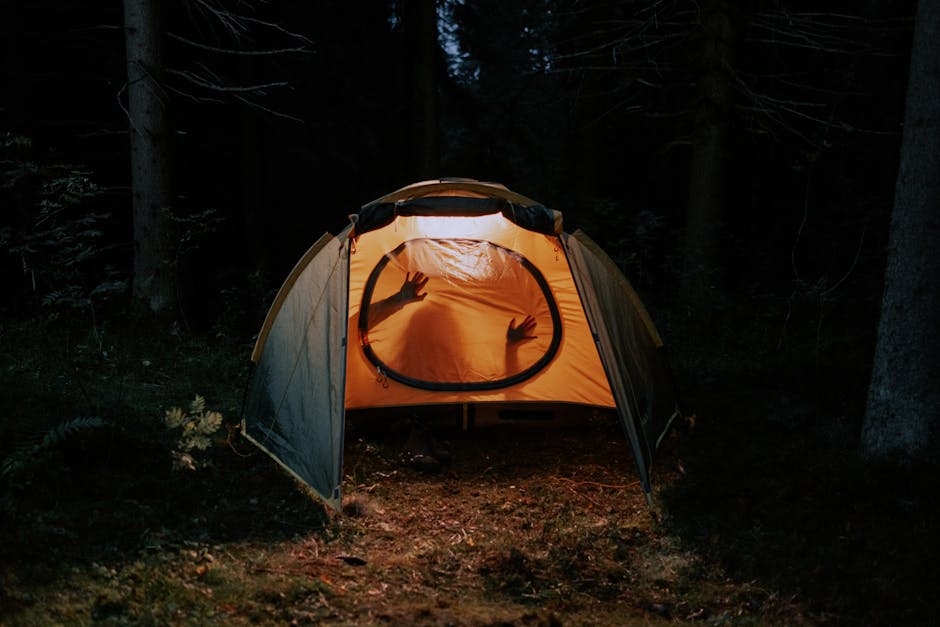
As the sun sets, having a sustainable light source will make evening cooking easier and safer. Solar-powered lights are ideal for off-grid kitchens; they’re sustainable and can be hung around the cooking and dining area to provide sufficient illumination. Additionally, headlamps are useful for hands-free operation.
5. Food Storage Solutions
Keeping Ingredients Fresh:
Without the luxury of a refrigerator, think about alternative storage solutions to keep perishables cool. Insulated coolers can work efficiently, especially when combined with regular ice replenishings. For dry storage, use airtight containers to keep bugs and animals out and to maintain the freshness of ingredients.
6. Preparation and Dining Space
Maximizing Efficiency:
Design your layout to include ample space for food prep and dining. Use foldable tables and chairs to save space and set up temporary counter tops like portable camping tables or even a sturdy plank over two stumps. Be creative and consider the flow from prep to cooking to serving.
7. Tools and Utensils
Selecting Essential Tools:
Equip your kitchen with multipurpose tools to save space and increase functionality. A good knife, cutting board, spatula, tongs, and a ladle cover most cooking needs. Also, include measuring cups, a can opener, and aluminum foil for versatile cooking options. Lastly, don’t forget cleaning supplies like biodegradable soap, a scrub brush, and towels.
With every essential item in place, your journey to cooking in the wilderness can be as smooth and delightful as that in a traditional kitchen. Whether it’s baking under a star-lit sky using a dutch oven or savoring the smoky flavor from a freshly grilled meal, your off-grid outdoor kitchen can offer unforgettable culinary experiences.
Conclusion
Building an off-grid outdoor kitchen is both a challenge and an adventure. By incorporating these 7 essential features into your setup, you’ll not only enhance your cooking capabilities but also enjoy the process with less hassle. Remember, the key is in preparation and choosing the right equipment that suits your unique needs and environment. So, grab your gear and kickstart your journey towards creating mouthwatering meals surrounded by nature. Happy cooking!