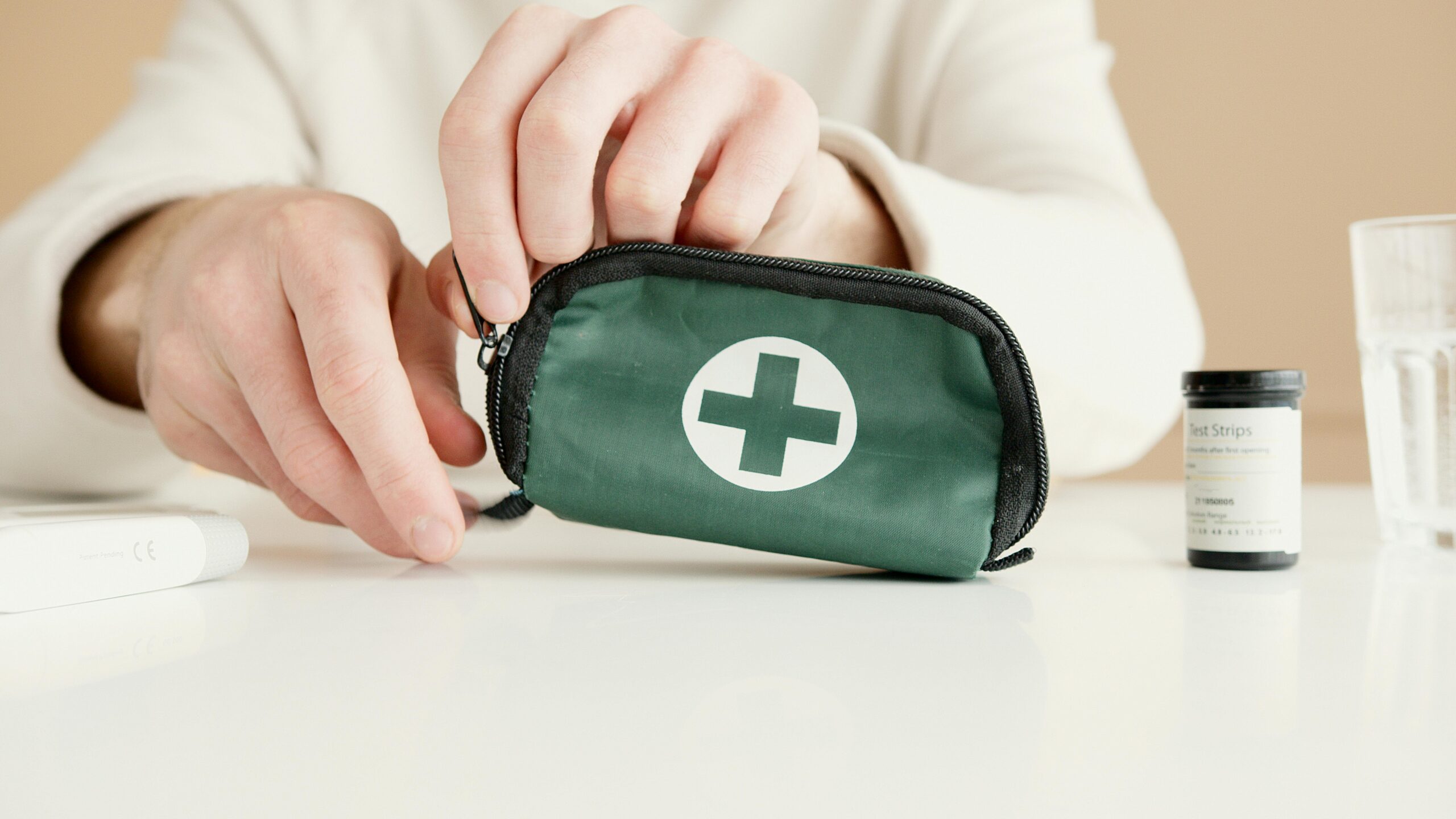
Essential Guide: How to Treat Burns While Camping
Camping allows you to embrace nature, enjoy serene surroundings, and possibly sit around a campfire. However, accidents, such as burns, can happen amidst the fun. Knowing how to properly treat burns while camping can be a lifesaver, ensuring that the incident doesn’t put a damper on your outdoor adventure. This guide provides an easy-to-understand overview of managing burns in the wilderness, ensuring you’re prepared in case such mishaps occur.
Understanding the Types and Degrees of Burns
Recognizing the severity and type of burn is the first step in administering the right treatment. Burns are classified by degrees:
First-Degree Burns
These are the mildest form, only affecting the outer layer of the skin (epidermis). Symptoms include redness, minor swelling, and pain. An example of a first-degree burn is a mild sunburn.
Second-Degree Burns
These burns damage both the epidermis and the second layer of skin (dermis). They cause swelling, redness, pain, and blistering. For instance, accidentally spilling hot soup on the skin can result in a second-degree burn.
Third-Degree Burns
These are the most severe, penetrating all layers of the skin and affecting deeper tissues. The burnt area may appear white, charred, or leathery. Such burns typically result from prolonged exposure to a heat source, like a campfire.
Immediate First Aid for Burns
Quick action is critical to mitigate further damage and relieve pain. Follow these steps to treat a burn injury at your campsite:
Step 1: Cool the Burn
Immediately move away from the heat source. Cool the burnt area by running it under cool (not cold) water for about 10 to 20 minutes. You can also apply a cool, wet cloth. This helps in reducing swelling and pain.
Step 2: Protect the Burn
Use a sterile gauze bandage to lightly cover the burn. This protects the injured area from further irritation and contamination. Avoid wrapping it too tightly to circumvent pressure on the burnt skin.
Step 3: Avoid Popping Blisters
When dealing with second-degree burns, blisters can form. It’s important not to pop them as they provide a natural barrier against infection. If a blister accidentally breaks, clean the area with water and mild soap. Then, apply an antibiotic ointment and cover it with a sterile dressing if available.
Step 4: Treat the Pain
Over-the-counter pain relievers like ibuprofen or acetaminophen can help manage pain. Always follow the dosage instructions on the package.
Step 5: Stay Hydrated
Burns can cause your body to lose fluids. Drinking water and staying hydrated is crucial, especially if the burn covers a considerable area of your body.
Know When to Seek Medical Help
Some burns, especially if they are minor, can be treated at the campsite. However, certain conditions require professional medical attention:
Seek Immediate Medical Care When:
- The burn penetrates all layers of skin, leaving white, leathery, or charred skin.
- It covers a large area, especially if the face, hands, feet, groin, buttocks, or a major joint is involved.
- The burn is caused by chemicals, explosions, or electricity.
Preventing Burns While Camping
Prevention is always better than cure. Here are a few tips to avoid burns during your camping trips:
Fire Safety
Always supervise any fires used for cooking or warmth. Establish a safety zone around the fire, especially if children are present. Ensure all flammable materials are kept away from the fire.
Handle Hot Items with Care
Use cooking gloves or appropriate utensils when handling hot pots, pans, or food. Make sure cooking areas are stable and secure to prevent spills.
Sun Protection
Wear protective clothing, hats, and sunglasses and apply sunscreen regularly to prevent sunburns, often a forgotten aspect of camping safety.
In conclusion, understanding how to treat burns when camping is crucial for any outdoor enthusiast. With the right knowledge and preparation, you can ensure that minor injuries don’t impact your wilderness adventures negatively. Always remember, if a burn is severe, it’s important to seek medical help without delay.
Enjoy your camping trips with peace of mind, knowing you’re well-equipped to handle any situations that might flare up!