Essential Items for Your Survival Medical Supplies Checklist: What You Need to Know
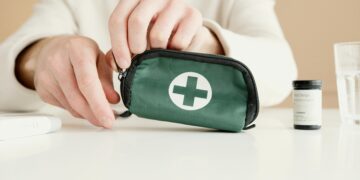
When preparing for unexpected emergencies, having a well-stocked survival medical kit is crucial. Whether you’re dealing with a natural disaster, an unforeseen accident, or preparing for a hiking trip away from civilization, your survival often depends on your preparedness. This comprehensive guide will help you understand the essential items you need to include in your survival medical supplies checklist.
Understanding the Basics of a Survival Medical Kit
A survival medical kit is more than just a basic first aid kit. It’s designed to deal with a wide range of situations, potentially life-threatening, where professional medical help may not be immediately available. This article gears you up with knowledge, from the items needed to principles of quick medical response, ensuring you’re prepared for the unexpected.
Key Differences Between a Standard First Aid Kit and a Survival Medical Kit
A standard first aid kit typically contains basic items like band-aids, antiseptic wipes, and small bandages. However, a survival medical kit is equipped to manage more severe situations. It often includes tools and supplies that can help you handle trauma, stabilize severe injuries, and manage illness in challenging environments.
Must-Have Items for Your Kit
Building your survival medical kit requires a thoughtful approach. Each item you include should serve a purpose and cover a broad scope of medical issues.
1. Wound Management Supplies
- Antiseptic Wipes and Solutions: Necessary for cleaning wounds and preventing infection.
- Sterile Gauze and Bandages: For dressing and protecting wounds, available in various sizes.
- Adhesive Tape: Essential for securing gauze and bandages in place.
- Antibacterial Ointment: Helps prevent infection in minor cuts and scrapes.
2. Tools and Equipment
- Scissors and Tweezers: Useful for cutting clothing, medical tape, or removing debris from wounds.
- Thermometer: Important for monitoring fevers, which can be a sign of infection.
- Splints: For immobilizing broken bones to prevent further injury.
- CPR Mask: Essential for performing safe, hygienic resuscitation.
3. Medications
- Pain Relievers: Such as ibuprofen or acetaminophen, can manage pain and reduce fevers.
- Antihistamines: Important for managing allergic reactions, especially in unknown terrains.
- Anti-diarrheal Medications: To prevent dehydration and manage symptoms from consuming contaminated food or water.
- Prescription Medications: Always include a supply of any ongoing medications used by anyone in your household.
Tailoring Your Kit to Specific Needs
Consider the specific needs of your family or group when assembling your kit. If you have someone with chronic illnesses, allergies, or special medical requirements, make sure you include the necessary items and medications to manage these conditions.
Consider the Environment
If you’re in a region prone to specific natural disasters like hurricanes, earthquakes, or extreme cold, adjust your kit accordingly. Cold climates might require frostbite treatment supplies, whereas tropical areas may need more insect repellent and anti-malarial medications.
Maintaining and Updating Your Survival Medical Kit
Regular maintenance of your survival medical kit is as essential as assembling it. Ensure all items are in good working condition and replace any supplies that expire. Review and update your kit at least once a year to ensure readiness.
Practical Tips for Maintenance
- Check Expiry Dates: Regularly check and replace expired medications and perishable supplies.
- Practice with Your Kit: Familiarize yourself with the items in your kit. Know how to use each item effectively.
- Keep It Accessible: Store your kit in a known, reachable location in case of sudden emergencies.
Final Thoughts
Preparing a well-equipped survival medical kit is a vital step towards ensuring safety and readiness in the face of unforeseen situations. By understanding what items to include, how to maintain the kit, and tailoring it to your specific needs, you can provide essential medical care when it matters most. While we hope never to need it, a survival medical kit is an indispensable part of your emergency preparedness strategy.