Exploring Off Grid Food Sourcing Tips: How to Sustainably Gather and Grow Your Own Food
Embarking on an off-grid lifestyle can be both rewarding and challenging, especially when it comes to sourcing your food sustainably. Relying solely on traditional supermarkets is not an option. Thus, learning how to effectively gather and grow your own food is not just beneficial but essential. This guide offers practical advice, a compilation of gathering tips, and gardening strategies aimed at helping you thrive while off the grid.
Understanding Sustainable Food Sourcing
Sustainable food sourcing involves obtaining food in a way that does not harm the environment and can be maintained indefinitely without depleting resources. It encompasses a variety of practices, from wild foraging and fishing to growing your own crops and raising livestock.
Benefits of Sustainable Food Sourcing
- Environmental Conservation: Sustainable practices ensure that natural ecosystems are respected and preserved.
- Health Benefits: Fresh, unprocessed foods are richer in nutrients compared to their commercially-available counterparts.
- Economic Savings: Growing and sourcing your own food can significantly reduce grocery bills.
Foraging: Reconnecting with Nature’s Bounty
Foraging involves the gathering of wild food resources. This practice not only connects you to your environment but also enriches your diet with varied and nutritious options.
Getting Started with Foraging
To begin foraging responsibly and safely, familiarize yourself with your local flora and understand which plants are edible, beneficial, and how to identify them correctly.
- Use Reliable Resources: Invest in good quality foraging guides or attend workshops led by experienced foragers.
- Harvest Sustainably: Only take what you need and always leave enough behind to ensure plants can reproduce.
- Avoid Contaminated Areas: Never forage near roads or industrial areas where plants might be tainted with pollutants.
Common Edible Wild Foods
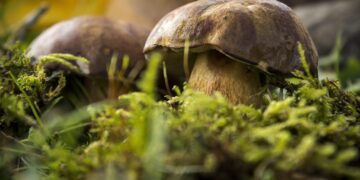
Many wild plants offer excellent nutrition and can be found easily. Dandelions, wild berries, nuts, and mushrooms are commonly foraged items. Always verify that you have correctly identified any wild edible before consuming it to avoid poisoning.
Gardening: Your Personal Food Factory
Gardening offers a dependable way to produce your own food and control what goes into your soil and plants, making it a cornerstone of off-grid living.
Designing a Sustainable Garden
Whether you have acres of land or just a small patch, strategic garden planning can yield impressive results.
- Choose Native Plants: These are more likely to thrive as they are adapted to the local climate and soil.
- Practice Crop Rotation: This helps prevent soil depletion and controls pests and plant diseases naturally.
- Employ Companion Planting: Certain plant combinations can enhance growth, reduce pests, and improve flavors.
Utilizing Permaculture Principles
Permaculture is a sustainable design system that mimics the patterns and relationships found in nature. Permaculture gardens are designed to be sustainable and self-sufficient, promoting biodiversity and resilience.
- Build Soil Health: Utilize composting and mulching to enrich the soil without chemical fertilizers.
- Use Water Wisely: Implement rainwater harvesting systems and drip irrigation to maximize water efficiency.
- Encourage Wildlife: Attract beneficial insects and animals to help with pollination and natural pest control.
Raising Livestock: A Step Further in Self-Sufficiency
Raising your own animals can be a valuable addition to your sustainable food sourcing strategy. Chickens, rabbits, and even goats require relatively modest space and can provide meat, eggs, and dairy.
Choosing the Right Livestock
Consider your land size, local regulations, and personal needs when selecting animals. Chickens are a good start for beginners, offering both eggs and meat, while rabbits can provide quick high-protein yields.
Creating a Humane and Sustainable Habitat
- Provide Adequate Space: Ensure that each animal has enough room to move freely and exhibit natural behaviors.
- Implement Rotational Grazing: This practice helps maintain grassland health and reduces feed costs.
- Practice Ethical Breeding: Manage breeding to sustain animal populations without causing undue stress to the animals.
Bringing It All Together
By combining foraging, gardening, and possibly raising livestock, you can develop a comprehensive off-grid food sourcing strategy. Each element supports the others, creating a robust and sustainable food system. Starting might seem daunting, but with meticulous planning and continual learning, you’ll enhance both your skills and your food security.
The journey towards a fully self-sufficient lifestyle is as enriching as it is essential, providing peace of mind knowing exactly where your food comes from and that it’s obtained in harmony with nature. Embrace the challenge and reap the lifelong rewards of an off-grid living style.