Unlocking Nature’s Pantry: A Beginner’s Guide to Bushcraft Food Foraging Basics
Welcome to the verdant world of wild food foraging, where every hiking trail and backyard can be akin to stepping through a doorway into a vast, untapped grocery store. For many beginners, the concept of foraging for bushcraft food can be simultaneously exciting and daunting. How do you get started? What can you eat? Is it safe? This guide is tailored to demystify the art and science of foraging and help you safely and sustainably unlock nature’s pantry.
What Is Bushcraft Food Foraging?
Bushcraft food foraging involves the identification and collection of wild plants, fungi, and in some cases, small game, which are suitable for eating. Grounded in the ancient tradition of living closely with nature, foraging is a cherished skill that connects you deeper with the environment. It is not only about gathering food but also about understanding ecological balance and sustaining natural resources.
Start With Safety: Knowing What’s Edible and What’s Not
Understanding Basic Foraging Safety Rules
-
Never eat anything unless you are 100% sure of its identity. This is the golden rule of foraging. Misidentification can lead to consuming poisonous species, resulting in sickness or worse.
-
Consult knowledgeable sources. Use field guides, mobile apps, or even better, attend workshops led by experienced foragers.
-
Be aware of local laws and regulations. Foraging isn’t legal everywhere, so check the rules in your area to avoid trespassing or breaking conservation laws.
-
Forage in unpolluted areas. Avoid foraging near busy roads, polluted streams, or sprayed agricultural fields to reduce contamination risks.
Common Edible Plants for Beginners
- Dandelion: Every part of this common weed is edible – from its roots to its bright yellow flowers.
- Nettles: Rich in vitamins A and C, nettles can be cooked similar to spinach. Make sure you wear gloves while harvesting to avoid stings.
- Wild Berries: Blackberries, raspberries, and blueberries are relatively easy to identify and delicious in pies or jams.
- Clover: Found in many lawns, clover leaves can be eaten raw or boiled, while flowers can be steeped into tea.
The Tools of the Trade: Essential Gear for Foraging
Outfitting yourself with some basic tools can make your foraging trip more efficient and enjoyable:
- Durable bags or baskets: to carry your finds.
- A small, sharp knife: for harvesting plants or cutting pieces.
- Gloves: to protect your hands from thorns and nettles.
- A foraging guide or app: for quick reference on the go.
Sustainable and Respectful Foraging
Key Principles to Follow
- Take only what you need: It’s tempting to take more, but overharvesting can damage ecosystems.
- Practice the “leave no trace” principle: Be mindful of your impact on nature. Avoid trampling plants and leaving litter.
- Harvest in a way that allows plants to regenerate: For example, when harvesting wild leeks, take only a few leaves from each plant instead of uprooting it entirely.
Exploring Seasonal Wild Delicacies
Spring: Look for young, tender leaves of dandelions, nettles, or ramps. Spring is also an ideal time for foraging morel mushrooms – a sought-after delicacy.
Summer: Berries are prolific, including strawberries, blueberries, and blackberries. Wild herbs like mint and wild oregano are also abundant.
Fall: Nuts like acorns, chestnuts, and walnuts can be found. It’s also a good time for root vegetables like wild carrots and parsnips.
Winter: Though foraging can be challenging in colder climates, some hearty greens like chickweed and sorrel can still be found under the snow.
Bringing It All Together: Preparing Your Foraged Finds
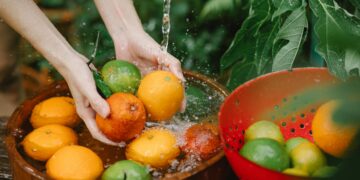
Once home, ensure all your foraged goods are cleaned thoroughly. Most leafy greens can be washed and cooked as you would with store-bought greens. Berries can be eaten fresh, made into jams, or frozen for later use. Always cook mushrooms thoroughly and preferably with someone experienced before your first trial.
Conclusion: The Path Forward in Foraging
Unlocking Nature’s Pantry: A Beginner’s Guide to Bushcraft Food Foraging Basics is an exciting journey into the wild that not only provides free, nutritious food but also deepens your connection with nature and enhances your survival skills. As you grow more confident in identifying plants and understanding their uses, you’ll find foraging a rewarding addition to your outdoor adventures. Remember, the key is to start slow, respect the environment, and enjoy every little discovery along the way. Happy foraging!