7 Essential Tips on How to Learn Survival Skills in the Wild
Survival skills are critical, not just for thrill-seekers but for anyone who finds themselves venturing into the great outdoors. Whether you’re planning a casual hiking trip or an intense camping expedition, knowing how to handle unexpected situations in the wild can make all the difference. In this post, we’re diving into seven essential tips that will guide you on how to learn survival skills effectively, ensuring you’re as prepared as possible for whatever Mother Nature throws your way.
1. Prioritize Basic Survival Skill Set
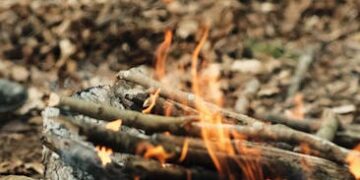
Understand the Essentials: Before venturing into more complex survival techniques, it’s crucial to master the basics. Focus on the “Rule of Threes” which states that you can survive three minutes without air, three hours without shelter in a harsh environment, three days without water, and three weeks without food. Prioritizing skills like learning how to find clean water, build a shelter, and start a fire without matches are foundational.
Practical Application: Start with simple experiments like building different types of fires in your backyard. Participate in survival workshops or courses that can offer hands-on experience with professional guidance.
2. Learn from Expert Guides and Survival Courses
Seek Professional Instruction: One of the most effective ways to learn survival skills is through courses and workshops led by experts. These professionals provide invaluable insights that cover a wide range of skills, from basic first aid to advanced wilderness navigation techniques.
Workshop Benefits: Through these sessions, you can not only learn theoretical knowledge but also practice your skills in a controlled, safe environment which mimics the unpredictabilities you might face in the wild.
3. Practice Regularly in Safe Environments
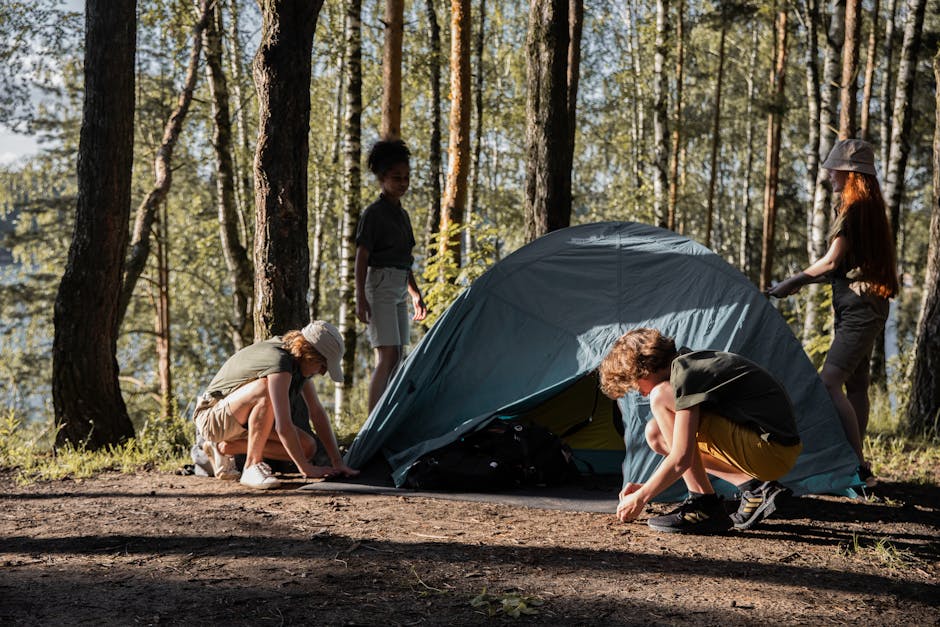
Create Routine Practice Sessions: Survival skills need to be ingrained in your muscle memory. Set aside time each month to practice these skills in a local park or a safe outdoor area. Regular practice of making shelters, sourcing water, or even map reading can boost your confidence and proficiency.
Involve Family and Friends: Learning with others can make the process more enjoyable and also simulate real-life scenarios where teamwork may be necessary.
4. Focus on Navigation Skills
Map and Compass Mastery: In the age of smartphones and GPS, the art of navigation using a map and compass is still a critical survival skill. These tools do not rely on batteries or network coverage and can be lifesavers in remote areas.
Practical Tip: Start by learning how to read topographical maps and practice in familiar areas to understand how your movements align with the map features. Join orienteering clubs to enhance your skills competitively.
5. Understand Local Wildlife and Plants
Study Local Ecology: A key aspect of survival is understanding the flora and fauna of the area you’re exploring. Knowledge of which plants are edible, which are poisonous, and how to handle potential wildlife encounters is crucial.
Engage with Local Experts: Consider hiring a local guide or taking part in nature walks led by ecologists or botanists. Their insights can help you recognize and remember crucial details about the local ecosystem.
6. Learn to Make DIY Survival Tools
Resourcefulness with Tools: Sometimes, survival depends on your ability to improvise. Learning how to create your tools using natural resources can be incredibly beneficial.
Practice Projects: Try making your fishing spear or learn the basics of weaving a basket from natural fibers. These skills enhance your adaptability and resourcefulness in unexpected situations.
7. Maintain Physical and Mental Fitness
Staying Fit: Physical fitness plays a significant role in survival scenarios where you might need to hike long distances or manage physical tasks like chopping wood. Regular exercise can also significantly increase your endurance levels.
Mental Resilience: Survival is as much about mental strength as physical capabilities. Techniques like meditation can improve focus and calmness, aiding better decision-making when under stress.
Conclusion
Learning survival skills is not just about preparing for the worst; it’s about fostering a deeper connection with nature and understanding your own physical and mental capabilities. By following these seven essential tips on how to learn survival skills in the wild, you equip yourself with valuable knowledge that enhances your outdoor adventures, ensuring safety, and fun. Remember, the key to becoming proficient is consistent practice, curiosity, and an eagerness to learn from every experience, whether in your backyard or the backcountry.