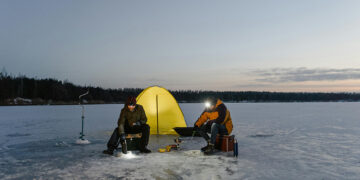
Mastering Core Wilderness Survival Techniques: A Beginner’s Guide
Whether you’re planning a backcountry adventure or simply wish to be prepared for any situation, mastering essential survival skills is crucial. This guide will walk you through fundamental techniques in wilderness survival, ensuring you come away more knowledgeable and confident.
Fundamental Survival Skills
Survival in the wild boils down to understanding basic needs: water, food, shelter, and safety. Let’s explore each category to ensure preparedness for any unexpected outdoor scenario.
Finding and Purifying Water
Water is a top priority in survival situations. To ensure safety, knowing how to locate and purify water is vital. Streams, rivers, and lakes are natural sources, but how can you ensure the water is safe to drink?
- Boiling: Boiling water is the most effective method to kill pathogens. Bring water to a rolling boil for at least one minute.
- Water Filters: Portable water filters are convenient and efficient for hikers and should be a staple in your survival kit.
- Chemical Treatments: Using iodine or chlorine tablets can purify water but check the packaging for specific instructions to ensure effectiveness.
Nutrition in the Wilderness
Finding food in the wilderness requires knowledge and skill. Edible plants, insects, and basic hunting or fishing skills can turn a survival situation into a manageable one. However, always prioritize safety:
- Edible Plants: Learn about local edible plants. Books and apps can be a helpful resource.
- Insects: Most insects are edible and high in protein. Stick to non-brightly colored insects to avoid potential toxicity.
- Hunting and Fishing: Simple traps or makeshift fishing kits using line and hooks can be effective. Remember, state and local regulations apply.
Building a Shelter
A good shelter protects you from the elements and can be critical in a survival scenario. Here are quick tips for emergency shelters:
- Location: Choose a dry, flat site away from natural hazards.
- Materials: Utilize what’s available: branches, leaves, or even snow can be utilized depending on the environment.
- Styles: A simple lean-to or a debris hut can be constructed relatively easily and provide good protection.
Ensuring Personal Safety
Personal safety is about understanding your environment and mitigating risks:
- Wildlife: Be aware of the wildlife in your area and understand how to avoid dangerous encounters.
- Terrain: Always have a map and compass, and know how to use them to navigate difficult terrains safely.
- Weather: Understanding weather patterns can help prevent being caught in dangerous conditions.
Emergency Preparedness
Being prepared can make all the difference. Assembling a survival kit tailored to your environment and skills is essential.
Survival Gear Essentials
Your survival kit should include items to address the basic needs we outlined:
- Water: Include a water filter, iodine tablets, and at least one durable water bottle.
- Food: Pack high-energy, long-lasting foods such as jerky, nuts, and dried fruits.
- Shelter: A compact, lightweight emergency shelter or a large, sturdy poncho can be invaluable.
- Tools: A multi-tool, knife, and rope are versatile must-haves for any kit.
- First Aid: A basic first aid kit with bandages, antiseptic, and pain relievers. Customizing your kit with personal medications is also advisable.
Skills and Knowledge
While having the right gear is crucial, possessing the skills to use them is equally important:
- Navigation: Familiarize yourself with basic map reading and compass skills. GPS devices can fail or lose power.
- First Aid: Basic first aid knowledge could be a lifesaver. Consider attending a course.
- Signaling: Learn ways to signal for help, such as using mirrors, making smoke signals, or creating ground symbols visible from the air.
Action Steps and Conclusion
Begin by practicing these skills in a controlled environment. Start with small, manageable outings to build your confidence. Wilderness survival isn’t about becoming an extreme survivalist overnight, but about being prepared and understanding how to react when faced with adversity in the wild.
Respect nature, be prepared, and stay safe. By mastering these core survival techniques, not only will you enhance your outdoor experiences, but you’ll also acquire skills that could prove invaluable in unexpected situations.