Essential Survival Skills for Camping Trips: Your Ultimate Guide
Whether you’re a seasoned camper or a novice embarking on your first outdoor adventure, mastering certain survival skills is crucial to ensuring a safe and enjoyable experience. This guide will cover key skills—from setting up camp to emergency preparedness—that every camper should know.
Preparing for Your Camping Trip
Before you even step foot in the wilderness, preparation is key. Ensuring you have the necessary equipment and know-how can make all the difference.
Packing the Essentials
Packing light yet comprehensive is an art. Your camping checklist should include:
- A durable backpack.
- Weather-appropriate clothing and rain gear.
- A first aid kit.
- Navigational tools such as a map and compass.
- Enough food and water for your trip, plus extra.
- Camping gear like tents, sleeping bags, and a camping stove.
Learning Basic Navigation
While GPS devices are handy, reliance on technology can be a downfall in areas with poor signal. Learning to use a traditional map and compass is a fundamental outdoor skill:
- Read the map: Familiarize yourself with map symbols and scales.
- Use a compass: Learn how to align the compass with the map to determine your direction.
- Combine skills: Apply both to navigate to your desired location.
Setting Up Camp
Choosing the right spot to set up your camp is about more than just finding a flat surface. Consider these factors:
Choosing a Location
Find a location that’s flat, dry, and sheltered from the wind. Avoid valleys and paths that could become water channels in case of rain. A spot under a canopy of trees can offer additional protection from elements.
Setting Up Your Shelter
Your tent is your home base and setting it up properly is essential:
- Practice at home: Set up your tent a few times in your backyard to get the hang of it.
- Find level ground: Remove any rocks or sticks that could puncture the tent or make sleeping uncomfortable.
- Securely anchor: Use stakes to anchor your tent firmly, even if the weather looks calm.
Fire Building Techniques
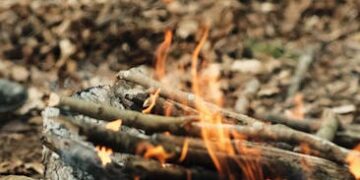
One can’t imagine a camping trip without a campfire. From cooking food to providing warmth and protection from wildlife, fire is essential.
Gathering Materials
You’ll need three basic types of materials to build a fire:
- Tinder: Small, easily ignitable items like dry leaves, grass, or paper.
- Kindling: Small sticks that catch fire easily but burn longer than tinder.
- Fuel: Larger pieces of wood that will keep your fire going.
Building and Maintaining Your Fire
Use the tepee or log cabin style for laying your fire, depending on what’s easier for you. Remember to constantly supervise the fire and keep water or sand nearby to extinguish it when necessary.
Water Procurement and Purification
Finding and purifying water is perhaps one of the most crucial survival skills in the wild. Never assume that water in the wilderness is safe to drink, regardless of how clean it may look.
Finding Water
Look for rivers, streams, lakes, or collect rainwater. Morning dew can also be a significant water source—simply soak it up with a towel and wring it into a container.
Purifying Water
Boiling water is one of the most effective methods for purification. Let it boil for at least one minute. Chemical treatments or filtration systems are also reliable but follow the product instructions carefully.
Basic First Aid
Accidents or sudden illnesses can happen. Being prepared with basic first aid knowledge can prevent complications and save lives. Key aspects include:
Handling Cuts and Scratches
Clean the wound with water and apply antibiotic ointment. Dress it properly to prevent infection.
Dealing with Bites and Stings
For non-venomous bites, clean the area and apply a soothing balm. For venomous bites, seek medical help immediately.
Leaving No Trace
Respecting the environment is as important as enjoying it. Make sure you:
- Carry out what you carry in.
- Use biodegradable and eco-friendly products.
- Minimize campfire impacts by using existing fire rings or portable fire pits.
- Respect wildlife by observing from a distance.
By mastering these essential survival skills, you’re not just preparing for a safe camping trip; you’re also ensuring a more enjoyable and respectful interaction with nature. Remember, every trip is a learning experience, and each camping adventure is an opportunity to improve your skills and deepen your appreciation for the outdoors.