Mastering the Basics: 5 Core Wilderness Survival Techniques You Need to Know
Embarking on an adventure into the great wilderness can be an exhilarating experience, but it’s essential to recognize the unpredictability that nature brings along. Being well-prepared with basic survival skills can make the difference between a memorable journey and a perilous ordeal. Whether you’re a seasoned explorer or a novice hiker, understanding Mastering the Basics: 5 Core Wilderness Survival Techniques You Need to Know is crucial in ensuring that you can face any challenges the wild might throw your way.
Introduction to Wilderness Survival
Wilderness survival isn’t just about fighting through adverse situations; it’s primarily about preventing unfavorable outcomes through preparedness and knowledge. Before you head out into the unknown, let’s dive into the core survival techniques that should be at the top of your skillset.
1. Building a Shelter
H2: Why Shelter is Important
In a wilderness survival situation, constructing a shelter is paramount for protection from elements and maintaining your body heat. Hypothermia can strike even in mild climates due to rain or wind, hence why mastering this skill is imperative.
H3: Types of Shelters
- Lean-to Shelter: Requires a long branch set against a fallen tree, covered with smaller branches, and insulated with leaves.
- Debris Hut: Constructed from branches to form a frame, similar in shape to a tent, then densely packed with leaves and grass for insulation.
Actionable Tip: Prioritize your shelter’s location by choosing a flat, dry spot away from water bodies, heavy falling branches, and wind paths.
2. Finding and Purifying Water
H2: Importance of Hydration
Water is a quintessential part of survival, making it imperative to not only find water but ensure it’s safe for consumption, as dehydration can heavily impair judgment and physical performance.
H3: Methods to Source and Purify Water
- Natural collection methods: Rain, streams, rivers, and morning dew are natural sources, but always purify.
- Purification techniques: Boiling water is the most effective method. Using tablets or solar disinfection can also be effective in the absence of fire.
Actionable Tip: Always carry a portable water filter or iodine tablets in your survival kit. In an emergency, boiling water for at least one minute can kill most pathogens.
3. Fire Building
H2: Mastering Fire Craft
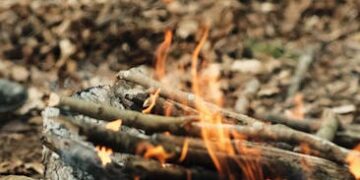
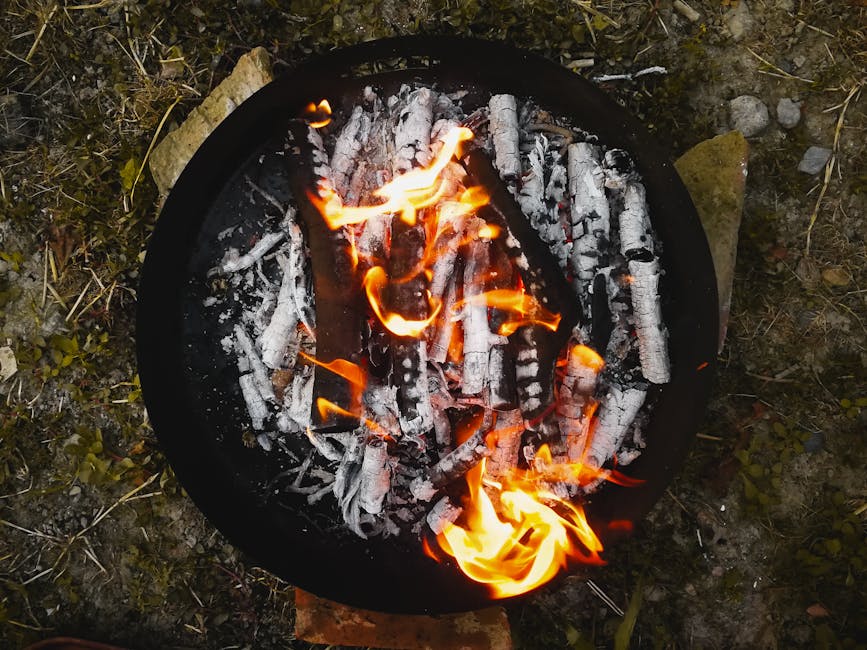
The ability to start and maintain fire is invaluable for warmth, cooking, and as a signal tool in emergencies. It’s one of those survival skills that also boosts morale in distressing situations.
H3: Fire Building Basics
- Choosing the right materials: Collect dry tinder, kindling, and larger wood ahead of time.
- Fire structures: Learn to build different types of fire structures like the teepee or log cabin layout depending on your need — warmth, cooking, or signaling.
Actionable Tip: Practice various methods of fire-starting, such as matches, flint and steel, or a fire bow, considering that conditions can often render some tools useless.
4. Food Procurement
H2: Securing Sustenance
When stuck in the wilderness for prolonged periods, knowing safe, edible plants or how to catch fish or small game can be lifesaving.
H3: Safe Foraging and Hunting Techniques
- Edible plants and insects: Knowing local flora and insects can provide nourishment without the risk commonly associated with hunting.
- Trapping and fishing: Setting up simple snares or fishing with rudimentary tools can catch small game or fish, albeit requiring patience and practice.
Actionable Tip: Educate yourself about the local wildlife and plant life before heading out. Carry a regional guidebook as part of your survival kit.
5. Navigation Skills
H2: Finding Your Way
Losing your path can happen suddenly and having the basic skills to navigate yourself to safety is essential.
H3: Basic Navigation Techniques
- Using natural landmarks and celestial bodies: The sun always rises in the east and sets in the west. Learn to recognize natural features and constellations.
- Compass and map reading: Always carry a physical map and compass. GPS devices are helpful but rely on batteries and signal which might not be available.
Actionable Tip: Practice map reading and using a compass in a controlled environment before embarking on any remote adventure.
Conclusion: Preparing for the Unexpected
While the thrill of exploring the wild can be irresistible, knowing your Mastering the Basics: 5 Core Wilderness Survival Techniques You Need to Know ensures you enjoy your adventure safely and responsibly. Preparing yourself with these fundamental skills not only boosts your confidence but also enhances your enjoyment and connection with nature. Remember, the key is not just to survive, but to thrive in the face of adversity. Go out there, be safe, and relish the incredible experiences that await in the wild!