Top 10 Essential Survival Skills for Camping Trips
Going on a camping trip can be an exhilarating experience, offering a chance to reconnect with nature and test your outdoor survival skills. Whether you’re planning a gentle excursion in a nearby national park or braving a rugged backcountry adventure, knowing the top 10 essential survival skills for camping trips is crucial for ensuring safety, comfort, and a memorable experience. In this blog post, we’ll explore these vital skills, providing practical tips and insights that every camper should have up their sleeve.
1. Building a Shelter
Why It’s Important:
Protecting yourself from the elements is crucial, especially in unpredictable weather. A well-built shelter can shield you from strong winds, rain, and potentially harmful sun exposure.
How to Master It:
Learn to build both natural shelters (like lean-tos or debris huts) and how to properly set up tents or tarps. Practice setting up your shelter in your backyard to reduce time spent struggling with tent poles when it’s getting dark at your campsite.
2. Starting a Fire
Crucial for Warmth and Cooking:
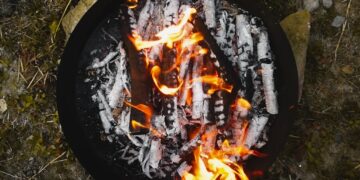
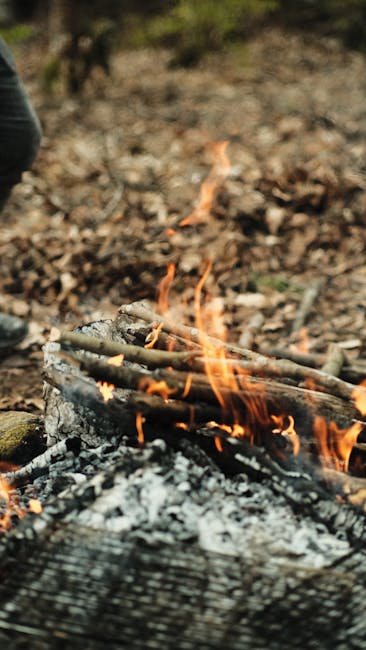
Mastering the ability to start a fire is a cornerstone of a successful camping trip. It’s not just for warmth; it’s also essential for cooking and can be psychologically comforting.
Tips for Success:
Carry multiple methods of starting a fire (matches, lighter, fire starters). Learn the basics of fire-building, from choosing the right tinder and kindling to understanding wind direction and safety.
3. Finding and Purifying Water
Staying Hydrated:
One of the most critical survival skills is to locate and purify water. Dehydration can set in quickly outdoors, particularly in hot weather or during strenuous hiking.
Effective Methods:
Know how to use a portable water filter or purification tablets. Always have a backup method, such as boiling water if your primary purification method fails.
4. Navigating Your Way
Avoid Getting Lost:
Being able to navigate with or without a compass is a fundamental skill for any outdoor enthusiast. In the age of GPS and smartphones, basic navigation skills are often overlooked but are essential when electronics fail.
Navigation Skills:
Learn to read a map and compass. Also, familiarize yourself with natural navigation using the position of the sun or stars.
5. Identifying Edible Plants
Food Sources in Nature:
Knowing which plants are safe to eat can be a life-saver, especially if your food supplies run low.
Learning the Basics:
Study basic botany or take a course in edible plants. Carry a pocket guide or use an app dedicated to local flora on your camping trips.
6. Practicing Knot-Tying
Versatility in Use:
Knots are incredibly useful for setting up a campsite, fishing, and emergency situations. The right knot can mean the difference between a secure shelter and one that blows away!
Knots to Know:
Learn essential knots like the bowline, square knot, and the clove hitch. Practice these regularly to keep your skills sharp.
7. First Aid Proficiency
Be Prepared for Emergencies:
Accidents can happen. Being prepared with basic first aid knowledge and a well-stocked kit is indispensable.
Essential Skills:
Take a basic first aid course and learn CPR. Know how to treat common injuries like cuts, burns, and sprains.
8. Weather Prediction
Understanding Signs of Weather Change:
Being able to predict bad weather can protect you and your group from potentially hazardous conditions.
Using Nature’s Clues:
Learn to read the sky and understand what different cloud formations and wind conditions usually signify. A portable weather radio is also a great tool to bring along.
9. Self-Defense Against Wildlife
Safe Encounters:
Wildlife encounters can be one of the more thrilling parts of camping but knowing how to deal with aggressive animals is essential.
Preventative Measures:
Understand the types of wildlife you might encounter and learn about deterrents such as bear spray and noise techniques.
10. Signal for Help
Rescue Readiness:
If all else fails, knowing how to signal for help can save your life.
Techniques to Learn:
Use SOS signals, whistles, mirrors, or make a smoke fire if you are lost or injured. Always let someone know your itinerary before you head out.
Conclusion
Arming yourself with these top 10 essential survival skills for camping trips can transform your outdoor adventures from merely good to exceptionally great and safe. Remember, the more prepared you are, the more you can relax and enjoy the beauty and tranquility of the wilderness. Pack your gear, apply these skills, and you’re ready to face the great outdoors with confidence and enthusiasm! Happy camping!