Mastering Survival Skills for Remote Areas: A Guide to Self-Sufficiency
Venturing into remote areas can be an exhilarating adventure. However, the beauty and solitude of nature can also pose unique challenges and dangers. Preparing yourself with essential survival skills not only enhances your experience but also ensures you can tackle unexpected situations confidently. This guide will provide you with practical tips and knowledge to become self-sufficient and secure in the wild.
Understanding the Importance of Survival Skills
Learning survival skills is not just for thrill-seekers and adventurers. Anyone can find themselves in a pinch outdoors, whether during a hiking trip gone awry or unexpected weather changes. Mastery of basic survival skills can mean the difference between life and death or help ensure a safe return to civilization.
Key Survival Skills Overview
- Shelter Building: Protect yourself from harsh weather conditions.
- Water Procurement: Locate and purify water to stay hydrated.
- Food Sourcing: Identify edible plants and effective hunting or fishing techniques.
- Navigation: Use natural signs and tools to find your way.
- First Aid: Manage injuries until help can be secured.
Building a Survival Shelter
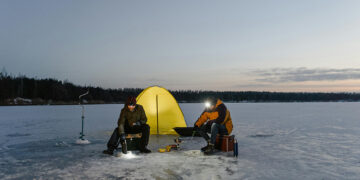
A proper shelter is crucial in a survival situation not only to provide protection from elements but also to maintain body heat. Depending on the environment, the type of shelter will vary.
Tips for Shelter Building
- Location: Choose a flat, dry area away from natural hazards.
- Materials: Utilize available resources like branches, leaves, or snow.
- Insulation: Ensure your shelter holds warmth. Stuffing leaves or grass can add an extra layer of insulation.
For example, in a woodland area, a simple lean-to made of branches and covered with leaves can offer significant shelter. In snowy conditions, a snow cave can be a lifesaver.
Finding and Purifying Water
Water is a top priority in survival. Dehydration can weaken you significantly in just 24 hours, making it critical to find a water source promptly.
Methods for Water Purification
- Boiling: The safest method to kill pathogens.
- Water Filters: Portable filters that can remove bacteria and protozoa.
- Chemical Treatments: Using iodine or chlorine tablets.
Collecting rainwater or finding a stream should be followed by purification. Always assume that water in the wild is not safe for direct consumption.
Securing Food in the Wild
While you can survive weeks without food, hunger can affect your mental and physical performance. Knowing safe, edible plants or how to catch and prepare animals can make a substantial difference.
Hunting and Foraging Tips
- Traps and Snares: Set up simple traps to catch small animals.
- Fishing: Use makeshift spears or fish hooks.
- Edible Plants: Learn to identify non-toxic foliage for nourishment.
Always cross-check the plants you find with a reliable guide to avoid consuming toxic species. Insects, high in protein, can also be a food source.
Essential Navigation Skills
Losing your way in an unfamiliar place can be terrifying. Basic navigation skills can steer you towards safety.
Navigation Techniques
- Using the sun: The sun rises in the east and sets in the west, this general direction can help orient you.
- Star navigation: Learn how to locate the North Star (Polaris) in the Northern Hemisphere for direction.
- Landmark use: Use distinctive landmarks to maintain your course and avoid going in circles.
Administering First Aid
Knowing basic first aid can manage injuries and prevent conditions from worsening. Always carry a first aid kit and know how to use its contents.
First Aid Essentials
- Wound Care: Cleanse wounds to prevent infection.
- Splints: Immobilize broken limbs to avoid further injury.
- CPR: This life-saving technique is crucial for someone who is unresponsive.
Prepare by taking basic first aid courses before heading into remote areas. Knowing what to do in an emergency can be truly lifesaving.
Conclusion
Venturing into the great outdoors with survival skills makes you not only a smart adventurer but also a resilient one. By mastering these skills, you ensure that you can enjoy the wilderness with confidence and safety. Remember, the key to survival is preparedness. Equip yourself with knowledge, practice your skills, and always be ready for the unexpected.