Top 10 Must Know Backcountry Survival Skills for Every Adventurer
Embarking on a backcountry adventure is exhilarating, but the wild is unpredictable and can shift from fun to perilous in a heartbeat. Whether you’re a seasoned trekker or a casual camper, having a repertoire of survival skills is essential. In this blog post, we’ll delve into the Top 10 Must Know Backcountry Survival Skills for Every Adventurer to ensure that you’re equipped to handle any pitfalls nature throws your way.
1. Building a Shelter
Why It’s Important:
Shelter is your first line of defense against the elements. Knowing how to construct a safe, sturdy shelter can protect you from harsh weather conditions and help conserve energy.
How to Do It:
Find a location away from potential hazards. Use natural materials like branches, leaves, or snow, depending on the environment. Focus on insulation and wind-blocking. Practice building different types of shelters like lean-tos, A-frames, or snow caves depending on the terrain and materials available.
2. Water Procurement and Purification
Why It’s Important:
Water is life. Dehydration can impair your ability to make decisions and physically perform, which is critical in survival situations.
How to Do It:
Always carry a portable water filter or purification tablets. Learn how to collect rainwater or create solar stills. Know how to locate water sources in different environments, such as streams in valleys or morning dew on vegetation.
3. Fire Making
Why It’s Important:
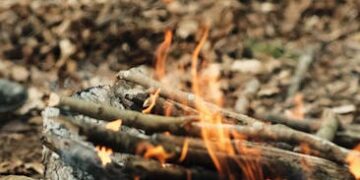
Fire provides warmth, light, a way to cook food, purify water, and deter wildlife. It’s also a psychological boost to maintain morale.
How to Do It:
Master the use of a fire steel, matches, or lighter. Gather tinder, kindling, and fuel before attempting to start a fire. Practice different fire-making methods like the teepee, log cabin, or lean-to setups depending on the conditions.
4. Navigational Skills
Why It’s Important:
The ability to navigate is crucial to not getting lost and also if needing to evacuate to safety efficiently.
How to Do It:
Familiarize yourself with using a compass and map reading. In today’s digital age, GPS devices are handy but always prepare for the possibility of electronic failure. Learn natural navigation using the sun, stars, and landmarks.
5. Signaling for Help
Why It’s Important:
Being able to signal for help can make the difference between being rescued and remaining lost.
How to Do It:
Carry a whistle, a mirror, or a high-lumen flashlight. Learn to create ground signals using logs or rocks that can be seen from the air. Three of anything (blasts, whistles, fires, flashes) is internationally recognized as a distress signal.
6. Food Gathering
Why It’s Important:
Finding sustenance is vital, particularly during extended stays in the wilderness.
How to Do It:
Learn about edible plants and how to set snares for small game. Familiarize yourself with fishing basics if you’re near a water source. Always be sure of plant identification to avoid poisoning.
7. First Aid Knowledge
Why It’s Important:
Immediate medical care is often unavailable. Effective first aid could save your life or that of others before professional help is available.
How to Do It:
Take a basic first aid course that includes CPR, wound care, and managing fractures. Carry a well-equipped first aid kit and know how to use each item in it.
8. Weather Prediction
Why It’s Important:
Recognizing impending bad weather can provide critical time to seek shelter or alter plans to ensure safety.
How to Do It:
Understand basic weather patterns and learn to read natural signals such as cloud formations, wind directions, and air pressure changes. Technology can help, but always have non-digital backup skills.
9. Tool Crafting
Why It’s Important:
The ability to make and repair tools is invaluable when the gear fails or is lost.
How to Do It:
Understand basic knot tying and how to use natural materials to craft tools. Learn how to create spears or makeshift axes for hunting or cutting.
10. Mental Resilience
Why It’s Important:
Survival is as much about mental endurance as it is about physical skills.
How to Do It:
Stay calm, assess your situation logically, and make informed decisions. Boost morale with tasks or thought processes that keep panic at bay.
Conclusion
Survival in the backcountry demands resilience, knowledge, and adaptability. Master these top 10 must-know backcountry survival skills to enhance your safety and enjoyment on any wilderness adventure. Remember, nature doesn’t always forgive, so being prepared is not just wise—it’s essential. Safe travels and happy trails to every adventurer out there!