Essential First Aid Survival Gear Every Hiker Should Carry
Embarking on a hiking adventure allows you to explore the beauty of nature, but it also requires preparedness for unforeseen circumstances. A well-packed first aid kit is crucial not just for your safety, but also for ensuring a pleasant and uninterrupted hiking experience. Here, we delve into the essential first aid items every hiker should carry, ensuring you’re equipped to handle common injuries and emergencies on the trail.
Understanding the Importance of a Hiking First Aid Kit
Hiking often takes you to remote areas where immediate medical help is not readily accessible. In such situations, possessing the right first aid supplies can mean the difference between a minor hiccup and a potentially disastrous experience. A first aid kit tailored for hiking helps manage minor injuries, prevent infections, and stabilize a condition until professional medical help can be reached.
The Must-Have Components of a Hiker’s First Aid Kit
Your hiking first aid kit should be comprehensive yet compact, designed to handle common trail issues without weighing you down.
Bandages and Wound Dressings
Accidents happen, and the ability to treat cuts or scrapes is a basic yet critical need. Stock your kit with:
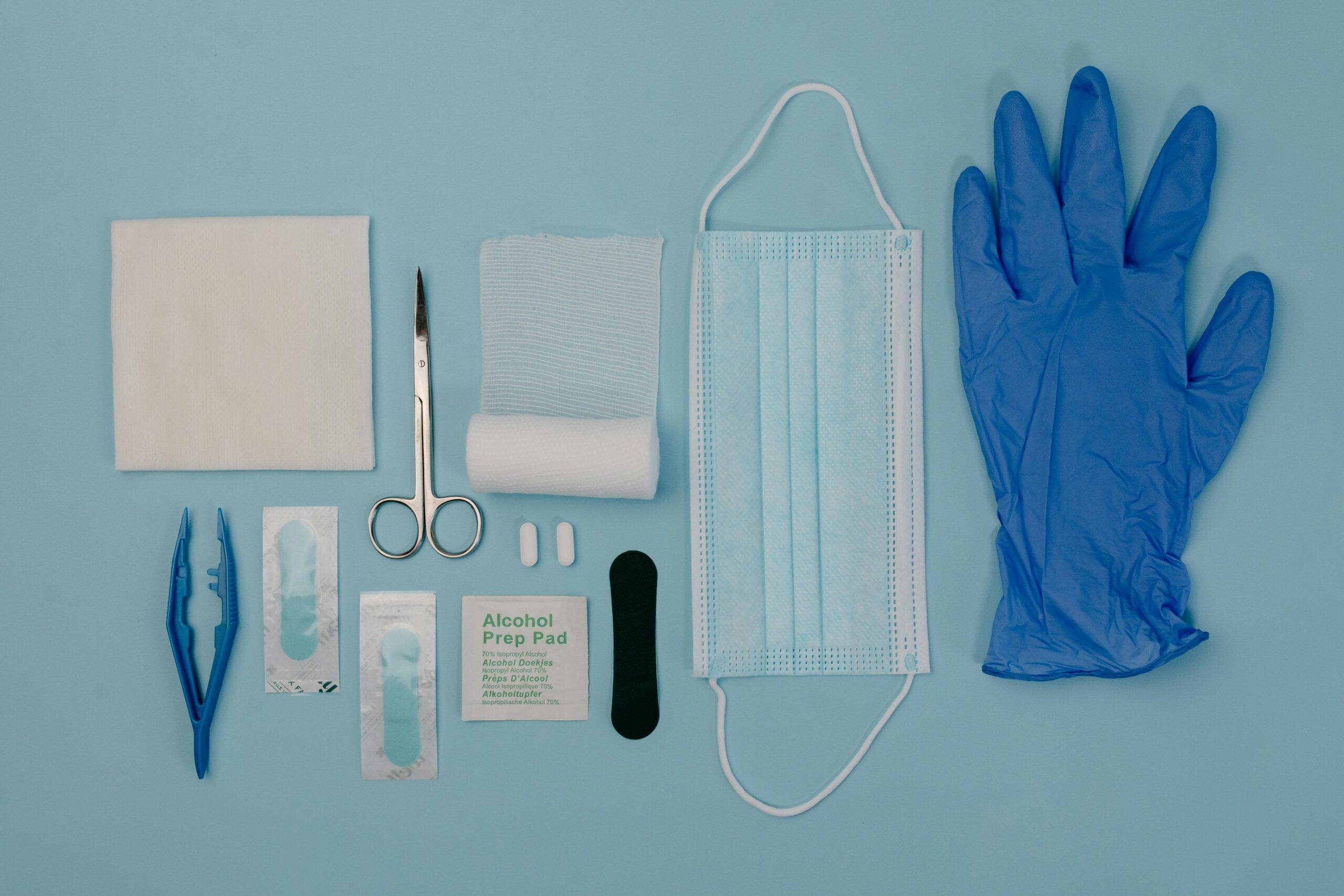
- Adhesive Bandages: Various sizes to cover small cuts and blisters.
- Gauze Pads: For larger wounds, to help stop bleeding.
- Adhesive Tape: To secure gauze and bandages in place.
- Antiseptic Wipes: To clean wounds and prevent infection.
Splints and Support Wraps
Twists and sprains are common on uneven hiking terrains. Have these items ready:
- Elastic Wraps: Helpful for wrapping sprained joints.
- Splint Material: Lightweight splint for immobilizing potentially broken limbs.
Medications
Aside from prescription medications, consider including:
- Pain Relievers: Such as ibuprofen or acetaminophen, to manage pain or fevers.
- Allergy Medications: Antihistamines for sudden allergic reactions.
- Anti-diarrheal Pills: To prevent dehydration from diarrhea, which can be life-threatening on the trail.
Tools and Miscellaneous
Some tools are indispensable in effectively using your first aid supplies:
- Scissors: For cutting tape, clothing, or preparing bandages.
- Tweezers: For removing splinters or ticks.
- Thermal Blanket: To manage hypothermia or shock.
- Gloves: To protect yourself and the injured party from infections.
- First Aid Manual: Quick reference material for handling common emergencies.
Packing and Maintaining Your Kit
Choosing the right case for your first aid supplies is as essential as the contents themselves. Opt for a waterproof, durable case that’s easy to open. Regularly check the expiration dates on all medications and replace used or out-of-date contents. Familiarize yourself with each item, ensuring you know how to use each component of your kit effectively.
Practical Tips for Using Your First Aid Kit on the Trail
Having a kit is one thing; knowing how to use it effectively is another. Here are some practical tips:
- Stay Calm: In an emergency, keeping your cool can improve your efficiency and reassure the injured person.
- Practice: Regularly review how to use the supplies in your kit. Consider taking a basic first aid course if you’re a frequent hiker.
- Keep Accessible: Store your first aid kit where you can reach it quickly, not buried at the bottom of your bag.
FAQs about Hiking First Aid Kits
How often should I check my first aid kit?
Review and replenish your kit at least once a year or after any significant hiking trip.
Is it necessary to have a first aid manual?
Yes, especially if you are not familiar with basic first aid procedures. A quick reference can be vital in an emergency.
Can I use items from home to build my kit?
Absolutely. Many items, like bandages and pain relievers, can be sourced from your home supplies. Just ensure they are suitable for the rugged outdoor environment.
Conclusion
Taking the time to prepare and maintain a comprehensive first aid kit should be an integral part of your hiking preparation. By being prepared, you minimize the risk of an injury ruining your adventure and ensure that you can provide assistance if an accident occurs. Explore with confidence, knowing you’re ready to handle the challenges that come your way!