Essential Skills for Disaster First Aid Response – Are You Prepared?
In times of disaster, immediate and effective first aid response can be lifesaving. When emergency services are delayed or unavailable, it’s often up to individuals at the scene to provide crucial support. Preparing yourself with essential first aid skills is not just beneficial – it could be critical. In this article, we’ll cover the vital skills everyone should learn, practical tips for handling common disaster-related injuries, and how to maintain a level head during emergencies.
Understanding the Importance of First Aid in Disaster Situations
Disasters strike with little to no warning, posing significant challenges to public safety and health. Understanding the basics of disaster first aid equips you to help yourself and others when professional medical help may not be immediately accessible. Gaining these skills fosters resilience, ensures quicker response times to injuries, and significantly reduces the chances of complications.
Fundamental First Aid Skills For Any Disaster
Treating Burns
Burn injuries are prevalent in disasters like fires and explosions. Knowing the right first aid steps can prevent further damage and alleviate pain:
- Cool the burn: Immediately cool the burn under lukewarm running water for 10-15 minutes. This helps reduce pain and swelling.
- Cover: Protect the burn with a sterile, non-fluffy dressing or cloth to guard against infection.
- Avoid: Don’t use ice, butter, or any greasy substances, as these can further damage the skin.
Stopping Bleeding
Severe bleeding, if not managed promptly, can be fatal. Here’s how to address it:
- Pressure and Elevation: Apply firm pressure to the wound with a clean cloth. If possible, elevate the injured area above the heart level to reduce blood flow.
- Secure: Once bleeding is controlled, secure the cloth with a bandage to keep pressure on the wound.
Handling Fractures
Injuries to bones are common during disasters such as earthquakes. A correct initial response can immensely assist in recovery:
- Immobilization: Keep the injured area still. You can use a splint made from stiff materials like wood, coupled with soft padding around the limb.
- Support: Use a sling to elevate and support an injured arm or wrist.
Dealing with Trauma and Shock
The psychological impact of disasters can lead to shock, a life-threatening condition manifesting as pale, cold, and clammy skin, rapid breathing, and a weak pulse. Here’s what to do:
- Reassurance: Keep the person calm and reassured. Being supportive can prevent further psychological stress.
- Lay them down: If they are not injured, lay them down and elevate their legs, unless this causes pain or further injury.
When and How to Use a First Aid Kit
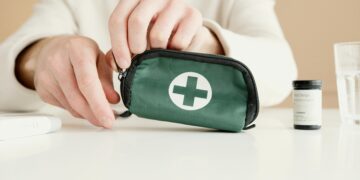
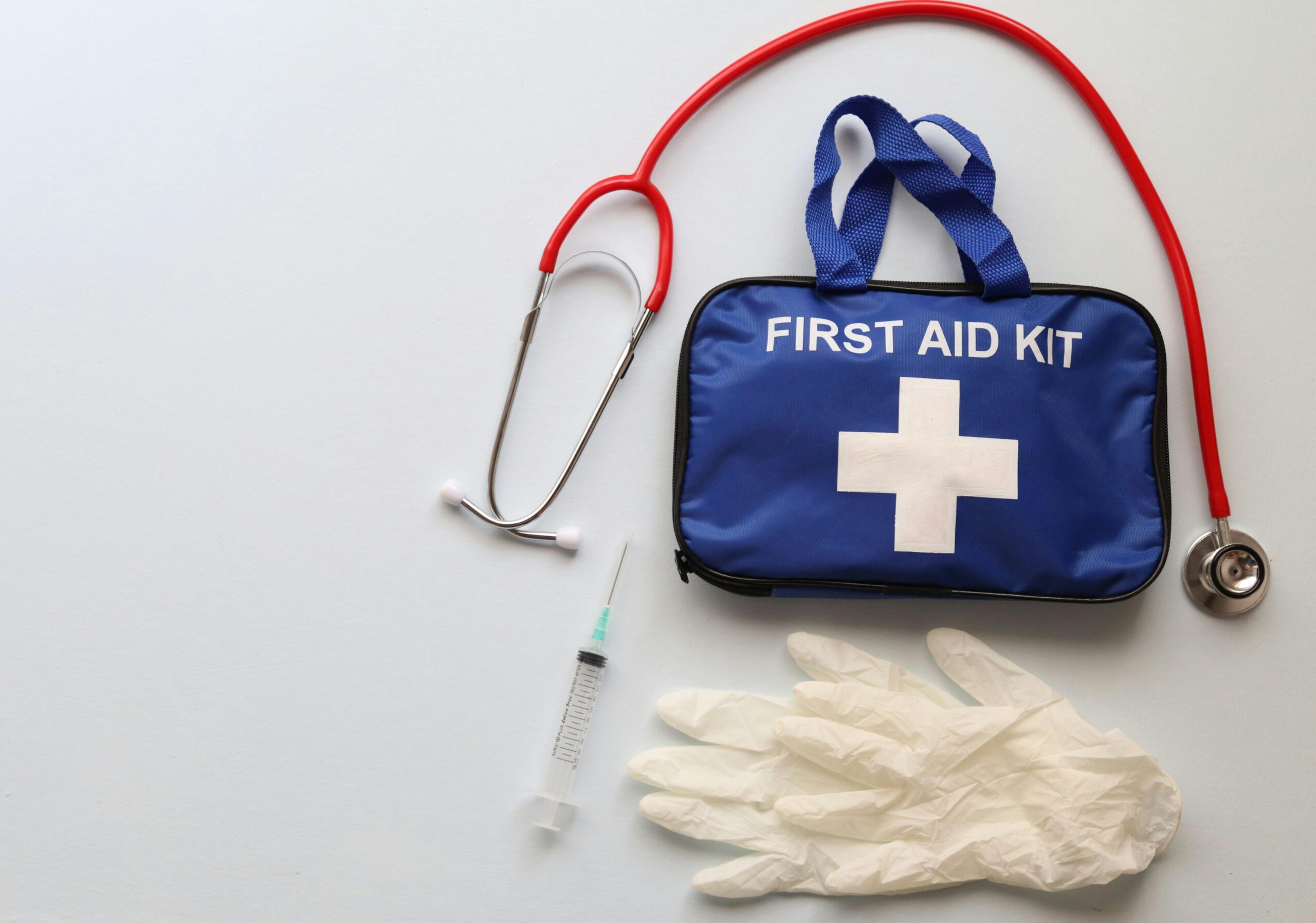
A well-equipped first aid kit is a non-negotiable in disaster preparedness. Here’s what yours should include:
- Bandages and dressings of various sizes
- Antiseptic wipes and antibiotic ointment
- Sterile gauze pads and adhesive tape
- Scissors, tweezers, and safety pins
- Disposable gloves and face masks
- A list of emergency phone numbers
Ensure everyone in your household knows where the first aid kit is stored and how to use the contents effectively.
Staying Calm and Effective in an Emergency
Keeping a clear head during a crisis is easier said than done but is critical for effective disaster response. Practice deep breathing techniques, focus on the steps needed to address the situation rather than the chaos itself, and always signal for help if the scenario escalates beyond your control.
Ensuring Your Own Safety
While helping others, it’s vital to secure your own safety first. Avoid putting yourself in danger, be aware of your surroundings, and take precautionary measures like wearing sturdy shoes and protective clothing if necessary.
The Power of Community and Training
Building a community well-versed in first aid can amplify the effectiveness of disaster response. Organize or participate in training sessions and drills with local health organizations or community centers. This not only enhances your skills but strengthens communal bonds.
Conclusion: Knowledge is Power
Ultimately, being prepared with the essential skills for disaster first aid isn’t just about personal safety; it’s about community resilience. By educating yourself and practicing these vital skills, you can stand ready to face emergencies with confidence and poise. Remember, in the realm of disaster response, your knowledge and actions can make the difference.