Essential Tips on How to Stop Bleeding in the Wilderness: A Survival Guide
Exploring the great outdoors offers breathtaking beauty and serenity, but it also comes with its share of risks. From minor scratches to significant injuries, knowing how to handle bleeding in the wilderness is crucial. This guide provides essential tips and practical advice on managing injuries and halting bleeding, aimed at ensuring your outdoor adventures are both safe and enjoyable.
Understanding the Basics of Bleeding
The first step in dealing effectively with bleeding is understanding its types and the potential dangers associated with each. Bleeding is typically categorized into three types: arterial, venous, and capillary.
Arterial Bleeding
This type of bleeding, characterized by bright red blood spurting in rhythm with the heartbeat, is the most serious. Arterial bleeding requires swift action to control.
Veinous Bleeding
Veinous bleeding involves dark red blood flowing in a steady stream. It’s not as severe as arterial bleeding but still requires proper attention and care.
Capillary Bleeding
The most common and least dangerous type, capillary bleeding, involves minor cuts or scrapes that ooze blood slowly.
Immediate Steps to Control Bleeding
Whether you’re dealing with a minor wound or a severe one, prompt action can prevent further complications. Here are the first steps to take if you or someone in your group gets injured.
Step 1: Ensure Safety
Before you attempt any treatment, ensure you and the injured person are out of danger. If the situation involves potential hazards like wild animals or unstable terrain, move to a safer location first.
Step 2: Apply Direct Pressure
Using a clean cloth or bandage, apply firm pressure directly on the wound. This helps to tamponade (stop) the blood flow and allows the blood to start clotting.
Step 3: Elevate the Injury
If possible, raise the injured area above the level of the heart. This helps reduce blood flow to the wound, aiding in controlling bleeding.
Advanced Bleeding Control Techniques
While direct pressure and elevation often suffice for minor injuries, severe cases may require additional measures.
Using a Tourniquet
When arterial bleeding cannot be controlled by direct pressure, a tourniquet may be necessary. This device should be used only as a last resort because it can cause tissue damage if not applied correctly. Place the tourniquet between the injury and the heart, tightening it until the bleeding stops. Do not remove a tourniquet once in place; medical professionals should do this in a controlled environment.
Packing a Wound
In cases where bleeding is severe and a tourniquet is not suitable, packing the wound with gauze or a clean cloth can be effective. After packing, apply direct pressure to the area to help control bleeding.
Essentials to Carry for Emergency Bleeding Control
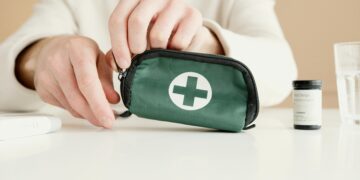
Being prepared is half the battle when it comes to handling unexpected bleeding in the wilderness. Here’s what should be in every adventurer’s first-aid kit:
- Sterile gauze pads of various sizes
- Adhesive tape
- Bandages (including triangular and pressure bandages)
- Antiseptic wipes or solutions
- A pair of sterile gloves
- Scissors
- Tourniquets
Knowing how to use these tools effectively is just as important as having them, so consider a basic first aid course if you’re planning extensive wilderness adventures.
Dealing with Potential Complications
Infections and prolonged bleeding are common complications in wilderness settings. To mitigate these risks:
Monitor for Signs of Infection
Check the injury regularly for signs of infection, such as increased pain, swelling, redness, or fever. Keep the wound clean and covered, and seek medical help if you suspect an infection.
Check for Shock
Severe bleeding can lead to shock, a life-threatening condition. Symptoms include cold and clammy skin, rapid breathing, weak pulse, and fainting. If you suspect someone is in shock, lay them flat with their legs elevated and cover them to maintain body heat.
Final Thoughts
While the wilderness offers an escape from the everyday grind, it’s essential to be prepared for any emergencies. By understanding how to stop bleeding, you’re not only safeguarding your health but also ensuring that your wilderness adventures are safe and enjoyable for everyone involved.
Keeping a cool head and remembering these tips will help you handle unexpected situations calmly and effectively. Always plan ahead, and enjoy your wilderness explorations with confidence and peace of mind.