Mastering Bushcraft Self Defense Basics: Essential Tips for Wilderness Safety
Heading out into the wilderness can be an exhilarating experience, immersing you in the raw beauty of nature. However, embarking on such adventures requires more than just a love for the outdoors; it demands essential survival skills, especially in self-defense. Mastering bushcraft self-defense techniques not only ensures your safety but also boosts your confidence, making your outdoor experience more enjoyable. Here’s a deep dive into the essentials of bushcraft self-defense to help keep you safe and sound in the wild.
Understanding Bushcraft Self Defense
Bushcraft self-defense involves using your surroundings to your advantage to protect yourself against potential threats, such as animals or unforeseen dangers. It’s about being aware of your environment and having the skills to use natural materials effectively to secure your safety.
Essential Survival Mentality
The first element in mastering bushcraft self-defense is developing a survival mentality. This mindset emphasizes awareness, prevention, and preparedness. It’s crucial to always be aware of your surroundings and anticipate potential dangers. Effective preparation includes knowing basic survival techniques and carrying essential tools.
Key Self Defense Skills for Bushcraft
When it comes to defending yourself in the wild, several skills come into play. Below are key techniques that anyone venturing into nature should know.
Making and Using Weapons from Natural Resources
In bushcraft, the ability to create weapons from natural surroundings is invaluable. Simple tools such as spears or bows can be made from sturdy branches and stones. For instance, a sharpened stick can turn into a fishing spear, while a strong, flexible limb can be fashioned into a bow. Learning how to create these tools not only provides you with weaponry but also instills a deeper connection with nature as you utilize its resources.
Basic Hand-to-Hand Combat Techniques
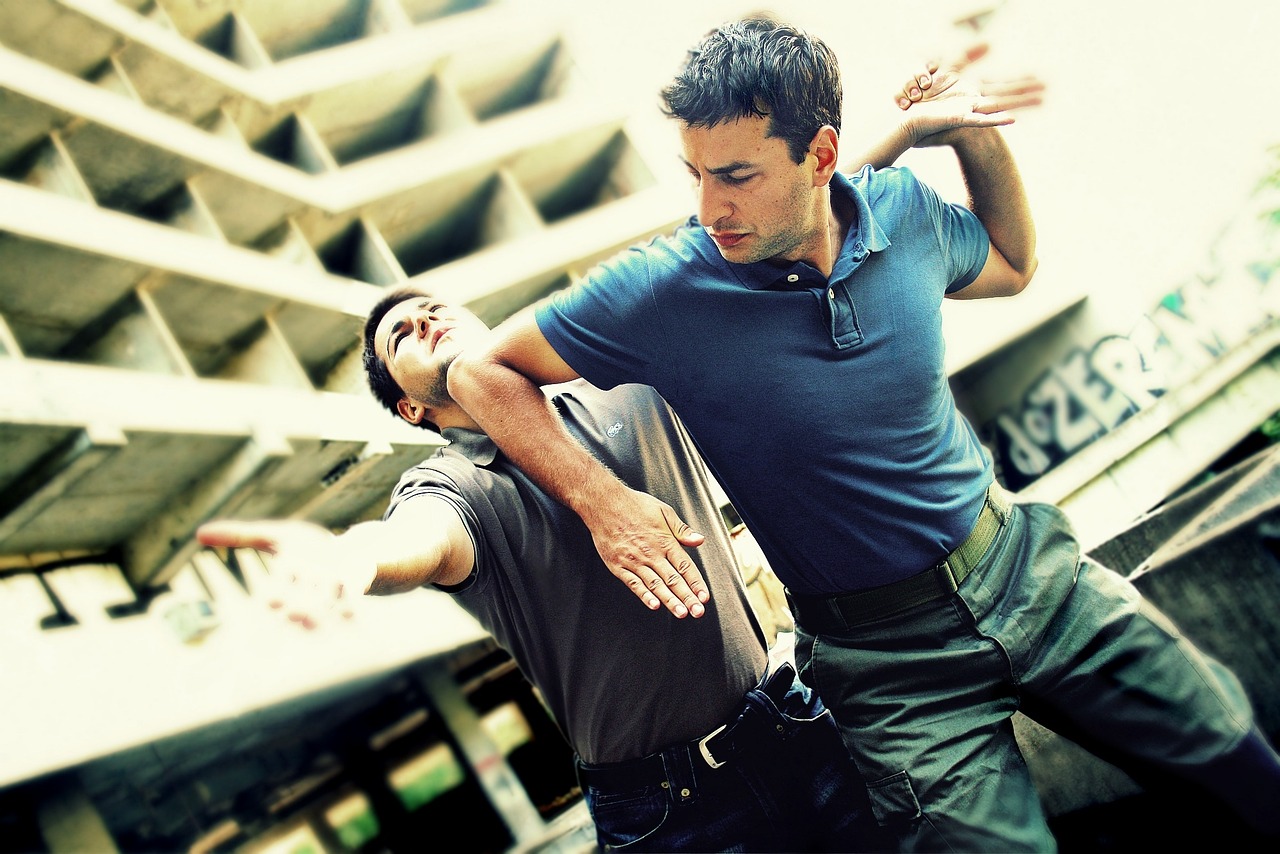
While it’s less likely you’ll engage in an altercation with other people, basic self-defense skills cannot be overlooked. Techniques like escape strategies from holds or learning how to fall without injuring yourself are vital. Training in basic martial arts or attending self-defense workshops before your trip can be beneficial.
Animal Encounters
Encountering wildlife is one of the thrills of being in the wilderness, but it can also pose a real danger. Understanding animal behavior and knowing how to react can prevent confrontations. For example, making noise while hiking can keep many animals at bay, as they prefer to avoid human interactions. If you encounter a larger animal, such as a bear, knowing the specific behavior to exhibit (such as backing away slowly without direct eye contact) can be lifesaving.
Safety Precautions and Techniques
Taking preventative measures can greatly reduce the need for active self-defense in the wilderness.
Camp Setup and Safety
How and where you set up camp can impact your safety. Avoid areas that are natural animal paths or territories. Keeping a tidy campsite with well-stored food can deter animals from entering your space. A fire is not only a source of warmth and cooking but serves as a deterrent for many wild animals.
Environmental Awareness
Staying attuned to what’s around you can provide advance warnings and avert danger. This encompasses the weather, the terrain, potential hazards, and any wildlife signs. Educate yourself about the environment you will be exploring to understand specific risks, such as poisonous plants or unstable landscapes.
Emergency Preparedness
Bushcraft isn’t only about battling through unforeseen threats but also about being prepared to handle emergencies efficiently.
Emergency Signal Techniques
Knowing how to signal for help can make a difference in critical situations. Techniques include using a whistle, creating smoke signals with a fire, or using a mirror to reflect sunlight. Each of these methods can alert rescuers even from a distance.
First Aid Essentials
Accidents, whether small or severe, are possible. A well-equipped first aid kit and the knowledge to use it are crucial. Basic first aid training can empower you to manage injuries until professional help is accessible.
Conclusion
Bushcraft self-defense is more than just reacting to threats; it’s about being proactive and prepared at all times. By enhancing your survival skills, making strategic use of your environment, and staying vigilant, you can enjoy the wilderness with confidence and safety. Remember, the wild demands respect, and part of that respect involves preparation and knowledge. Equip yourself with these bushcraft basics, and you are ready to embrace the adventures that await in the great outdoors.
Embrace the wilderness safely, confidently, and preparedly, and let the natural world amaze you with its beauty and challenges!