Mastering the Art of Wilderness Outdoor Living Essentials: A Complete Guide
Embracing the wilderness through outdoor living is an adventure that calls to many hearts. Whether you’re planning your first camping trip or seeking to refine your survival skills, understanding the essentials of outdoor living is key to a safe and enjoyable experience. This comprehensive guide will walk you through everything you need to know about thriving in the great outdoors.
Understanding the Basics of Wilderness Living
Before venturing into the wild, it’s crucial to grasp the core principles of wilderness survival and outdoor living. Let’s explore the foundational elements that will keep you secure and comfortable.
Emergency Preparedness and Safety
Your safety should always be your top priority. Emergency preparedness begins with carrying a well-stocked first-aid kit and understanding basic first aid procedures. Remember to include personal medications, bandages, antiseptic wipes, and tools like tweezers and scissors.
Navigating the Natural Landscape
Navigation skills are essential in the wilderness. Traditional tools such as maps and compasses are reliable, unencumbered by the need for battery power, unlike GPS devices. Learning to read a topographical map and using a compass will help you traverse unfamiliar terrain confidently.
Essential Gear and Supplies for Outdoor Living
Packing the right gear can make or break your wilderness adventure. Here’s a rundown of must-have outdoor living essentials:
Shelter and Comfort
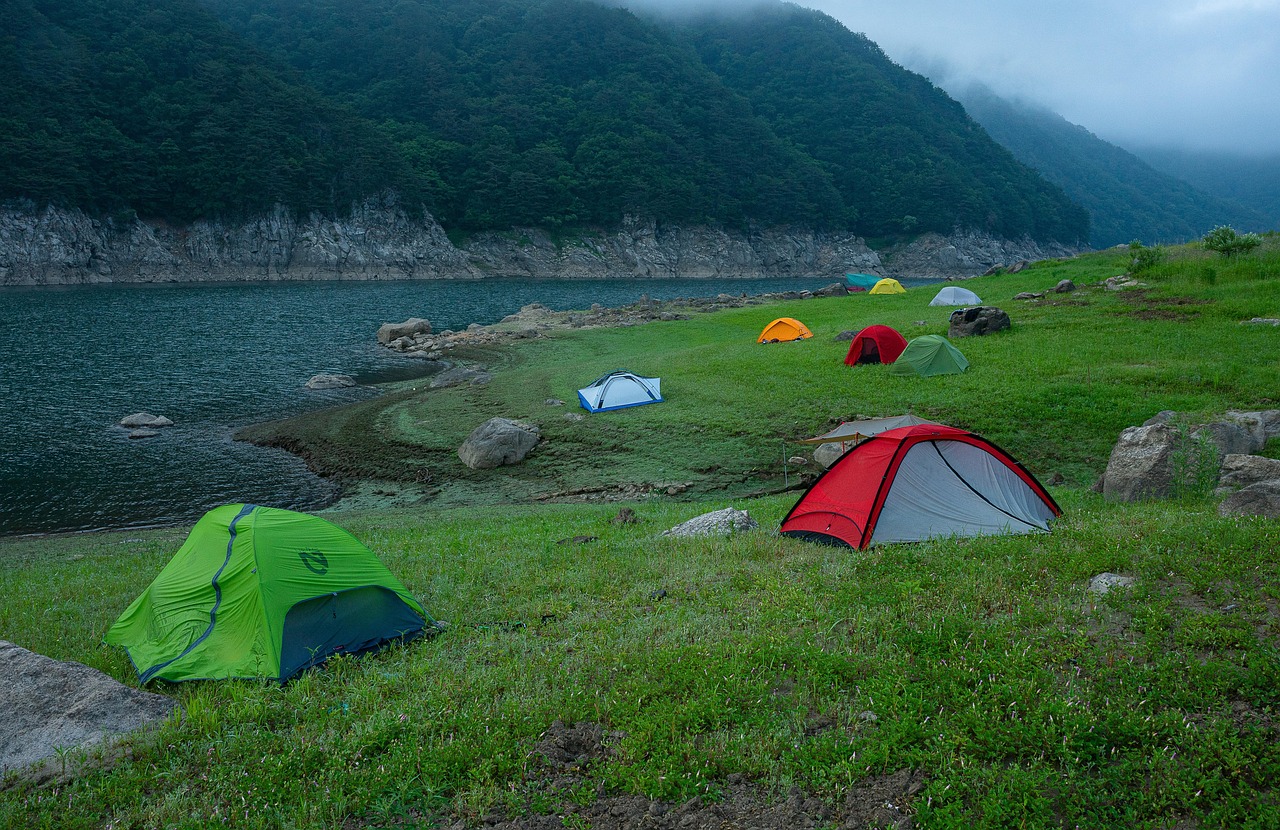
Your shelter is your sanctuary in the wild. Options range from tents and hammocks to bivouacs. Depending on the weather, ensure your shelter is waterproof and windproof. For sleeping, insulated sleeping pads and sleeping bags rated for the current climate will help ensure a good night’s rest.
Food and Water Necessities
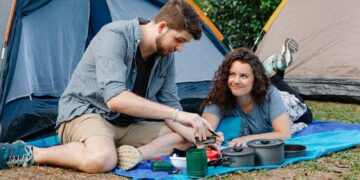
Hydration is vital—always carry enough water or have means to purify natural water sources. Portable water filters or purification tablets are practical choices. For food, pack calorie-dense items like nuts, seeds, and energy bars. For longer stays, consider portable cooking gear such as a lightweight stove and energy-efficient pots.
Building Survival Skills
While gear is important, skills determine your ability to use that gear effectively under various circumstances. Here are critical survival skills every outdoor enthusiast should master:
Fire Craft
Knowing how to start and maintain a fire is essential for warmth, food preparation, and even signaling for help. Practice various methods of fire-starting, from matches or lighters to friction-based techniques like the bow drill method.
Foraging and Hunting
If you find yourself in a survival scenario, knowing how to sustain yourself naturally could be crucial. Familiarize yourself with edible plants and basic hunting or fishing techniques. Always adhere to local regulations and ethical guidelines when foraging or hunting.
Maintaining a Healthy Mindset
The wilderness can be as daunting as it is beautiful, making a strong, positive mindset an invaluable tool. Here’s how you can keep your spirits high and your mind sharp:
Stress Management and Mental Resilience
Outdoor living can present challenges that might stress the mind and body. Techniques such as mindful breathing, keeping a routine, and focusing on tasks can help manage stress levels. Work on building your resilience by gradually exposing yourself to controlled, challenging situations.
The Importance of Rest and Recovery
Often overlooked, adequate rest is crucial for maintaining your energy levels and alertness in the wilderness. Ensure you get enough sleep and take moments to relax and enjoy nature’s beauty, replenishing your mental and physical strength.
Incorporating Technology Thoughtfully
While the essence of outdoor living often emphasizes disconnection from daily digital ties, technology, when used wisely, can enhance your safety and comfort:
Useful Gadgets and Tools
Solar-powered devices, satellite phones, and emergency beacon devices are examples of gadgets that can be invaluable in emergencies. They should complement, not replace, traditional survival tools. Research and understand how to use tech enhancements before relying on them in the wilderness.
Conclusion: Embracing the Wilderness with Confidence
Mastering the art of wilderness outdoor living doesn’t happen overnight but is a continuous learning process. By equipping yourself with the right knowledge, skills, and mindset, you can handle what the wild may throw your way. Remember, each trip is a learning curve—stay curious, practice your skills, and respect nature’s boundaries. With preparation and respect for the environment, your wilderness adventures will become enriching experiences that you look forward to with anticipation.
Embrace the wilderness responsibly and enjoy the profound beauty and freedom it offers. Let every outdoor experience enhance your skills and deepen your connection with nature. Happy adventuring!