Mastering the Basics: How to Learn Survival Skills in the Wild
Embarking on outdoor adventures can be thrilling, but being well-prepared with essential survival skills can turn a potentially dangerous situation into a manageable one. Whether you’re planning a short hiking trip or a prolonged stay in the wilderness, learning basic survival skills is crucial. In this guide, we will explore various survival techniques that are crucial for anyone venturing into the wild. You’ll not only gain knowledge but also confidence to face the unpredictable nature of outdoor environments.
Understanding Survival Priorities
Survival in the wild is fundamentally about managing your basic human needs. There are four main priorities that you need to address:
Safety
First and foremost, ensure your immediate safety from any potential threats, such as wild animals or unstable terrain. This could mean moving to higher ground to avoid flooding or choosing a campsite away from animal trails.
Shelter
Building a shelter is crucial to protect yourself from harsh weather conditions and temperature extremes. The type of shelter you build will depend on the available resources and the environment. A lean-to shelter made from branches and leaves is often sufficient for most weather conditions.
Water
Water is essential for survival, but finding a clean source is sometimes challenging in the wild. Learn how to locate water sources such as streams or lakes, and always purify any water before drinking. Boiling water is a reliable method, but portable water filters or purification tablets are also effective.
Food
While you can survive for weeks without food, sustaining your energy levels is important, especially if you are in the wilderness for an extended period. Learn the basics of foraging for edible plants, and if possible, the fundamentals of hunting and fishing.
Crucial Survival Skills to Master
To be well-equipped for survival situations, there are several important skills you need to learn:
Fire Making
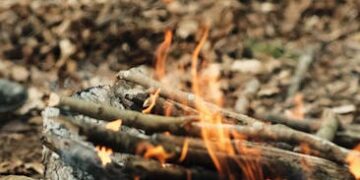
Being able to start a fire is essential for warmth, cooking, and even signaling for help. Master various methods of fire-starting, including using a flint and steel, matches, or a lighter. Practice building a fire in different weather conditions to ensure you’re prepared for any situation.
Navigation
Understanding how to find your way is crucial to avoid getting lost and to reach safety. Learn how to use a compass and read a map. Additionally, familiarize yourself with the natural navigation using the sun, stars, and landmarks.
First Aid
Accidents can happen in the wilderness, so having basic first aid knowledge could be life-saving. Learn how to treat common injuries and ailments, such as cuts, burns, and bites. Always carry a basic first aid kit with essentials like bandages, antiseptic, and pain relievers.
Practical Exercises to Build Your Skills
The best way to become proficient in survival skills is through practical experience. Here are some exercises to help you build and master these skills:
Build Different Types of Shelters
Practice building various types of shelters using natural materials. Experiment with different designs to see what works best in various conditions.
Simulate Survival Scenarios
With a group or a survival instructor, simulate different survival scenarios. This practice can help build your confidence and allow you to apply various skills in a controlled, safe environment.
Take Survival Courses
Consider taking survival courses offered by professionals. These courses provide comprehensive training in all aspects of wilderness survival, from fire-making to advanced first aid.
Final Tips for Budding Wilderness Explorers
To successfully learn and apply survival skills, keep the following tips in mind:
- Be Prepared: Always plan ahead and pack essential equipment and supplies, including a survival kit.
- Stay Calm: In any survival situation, it’s crucial to stay calm and think clearly. Panic can lead to poor decisions.
- Keep Practicing: Regular practice is the only way to ensure your skills remain sharp. Try to incorporate survival skill practice into your regular outdoor activities.
- Respect Nature: Understanding and respecting the forces of nature is essential for any outdoor enthusiast. Always be aware of your impact on the environment.
Whether you’re a seasoned adventurer or a casual hiker, having fundamental survival skills is essential. By mastering these skills, not only do you ensure your safety and the safety of others, but you also deepen your connection with nature. Start small, be patient with your progress, and continuously seek knowledge. Your next wilderness adventure awaits, well-equipped and confident in your abilities to face whatever comes your way!