Mastering the Wilderness: Basic Bushcraft Skills for Beginners
Embarking on an adventure into the great outdoors is not only a test of physical endurance but also a return to the basics of survival. Whether you’re planning a short camping trip or a long expedition, equipping yourself with fundamental bushcraft skills can transform your experience from mere survival to thriving in the wilderness. This guide delves into essential techniques that every beginner should master, ensuring safety, confidence, and enjoyment in the natural world.
Understanding Bushcraft Essentials
Bushcraft is more than just survival skills; it’s about coexisting with nature using age-old techniques passed down through generations. These skills not only prepare you to face unforeseen challenges but also enhance your connection with the environment.
The Importance of Observation
Before diving into complex skills, begin with the art of observation. Understanding the patterns of local wildlife, plant species, and weather conditions can provide invaluable insights and help you adapt to your surroundings.
Setting Up Camp
Your campsite is your home base while in the wilderness. Choosing the right spot and setting up camp securely is fundamental for a comfortable and safe outdoor experience.
Choosing a Campsite
Select a location that’s flat, away from water bodies to avoid flooding, and sheltered from strong winds. Ensure the site is free from natural hazards such as insect nests and falling rocks.
Building a Shelter
Bushcraft shelters vary from simple debris huts to complex tarp setups. Start with a basic lean-to, using materials like branches and leaves for insulation and protection. The aim is to keep it waterproof, windproof, and cozy.
Fire Craft
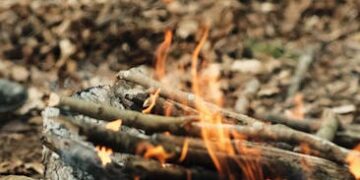
Mastering fire creation is pivotal for warmth, cooking, and safety. It can deter wildlife, signal for help, and sterilize water.
Techniques for Starting a Fire
Begin with understanding fire material collection, including tinder, kindling, and fuel. Practice using a fire steel or flint and steel as reliable tools to spark a flame. Always respect fire regulations of the area to prevent wildfires.
Finding and Purifying Water
Water is a critical survival element. Knowing how to locate and purify water ensures you stay hydrated without compromising health.
Sources of Water
Streams, rivers, and lakes are obvious water sources, but you can also collect rainwater or create condensation traps. Always assume that natural water sources need purification.
Methods of Water Purification
Boiling water is the most effective method to kill pathogens. Chemical purification tablets or a simple filtration system using sand and rocks can also be used in absence of a heat source.
Foraging and Hunting
Bushcraft isn’t just about survival; it’s also enjoying what nature offers. Knowing safe, edible plants, and basic trapping can enrich your experience and your diet.
Safe Plants and Dangerous Look-Alikes
Identifying edible plants is a valuable skill. Study common edible plants like dandelions and wild onions, and be aware of their toxic look-alikes such as the poisonous hemlock.
Basic Hunting and Trapping Techniques
For beginners, simple snares and fishing techniques can be both effective and less demanding. Ethical hunting practices must be observed, respecting local wildlife regulations.
Navigation Skills
Losing your way in the wilderness can be intimidating. Basic navigation tools and techniques are essential to safely explore and return.
Using a Compass and Map
Learn the basics of reading a topographic map and operating a compass. Regularly practice these skills to navigate efficiently without relying on digital devices, which might fail in remote areas.
Natural Navigation Cues
Additionally, the natural environment provides cues for navigation. Understanding the position of the sun, the movement of stars, and even the growth patterns of moss on trees can help guide your path.
Leave No Trace Principles
Finally, practicing the ‘Leave No Trace’ principles preserves the natural beauty and maintains the ecosystem for future adventurers. Minimize your impact by avoiding disturbance to the surroundings and wildlife.
Principles of Leave No Trace
Plan ahead and prepare, travel and camp on durable surfaces, dispose of waste properly, leave what you find, minimize campfire impacts, respect wildlife, and be considerate of other visitors.
Mastering these basic bushcraft skills equips you not only to survive but also to thrive in the wilderness. Each skill enhances your connection with the outdoors, turning every moment into a learning experience and an opportunity to foster greater environmental respect. Whether you’re a beginner or brushing up on essentials, the wilderness is a profound teacher, and bushcraft is her lesson plan.