Top 5 Survival Skills Everyone Should Know Outdoors
Venturing into the great outdoors offers a fantastic escape from the hustle and bustle of daily life. Whether you are hiking through mountain trails, camping in a remote forest, or simply enjoying the wonders of nature, being prepared with the right survival skills can mean the difference between a successful adventure and a potentially dangerous situation. In this blog post, we’ll explore the Top 5 Survival Skills Everyone Should Know Outdoors, ensuring you stay safe and enjoy your wilderness experiences to the fullest.
1. Building a Shelter
Why You Need Shelter
The ability to build a shelter is crucial, especially if you find yourself unexpectedly spending the night outdoors. A good shelter protects you from adverse weather conditions, such as rain, wind, or extreme temperatures, and can also provide a sense of security while outdoors.
Quick Shelter-Building Tips
- Location: Choose a dry, flat area away from potential hazards like falling branches.
- Materials: Utilize available resources such as branches, leaves, and even snow.
- Types of Shelters: The most straightforward shelters include the lean-to, which uses a fallen tree or branch supported at an angle, or a debris hut, built with sticks and densely packed with leaves for insulation.
2. Starting a Fire
The Importance of Fire
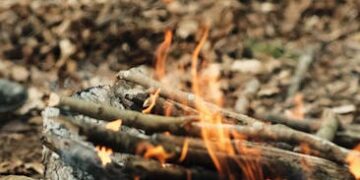
Fire is essential for warmth, cooking, and can be vital for emergency signals. Knowing how to start a fire is one of the top survival skills and can greatly increase your comfort and safety outdoors.
How to Start a Fire
- Gathering Materials: Collect dry materials, starting with tinder (small twigs, dry leaves), then kindling (small sticks), and fuel (larger pieces of wood).
- Building the Fire: Arrange your tinder in a small pile with kindling stacked over it, preferably in a teepee shape, which allows oxygen to circulate and feed the fire.
- Ignition: Use a match, lighter, or a spark from a fire steel to ignite the tinder. Protect the flame by cupping your hands and gently blowing to spread the fire.
3. Finding and Purifying Water
The Necessity of Hydration
Water is life—especially in survival situations. Dehydration can set in quickly outdoors, particularly in hot conditions or when you’re exerting yourself.
Locating and Purifying Water
- Finding Water: Look for streams, rivers, or lakes. In dry areas, collecting dew or digging into damp soil can yield water.
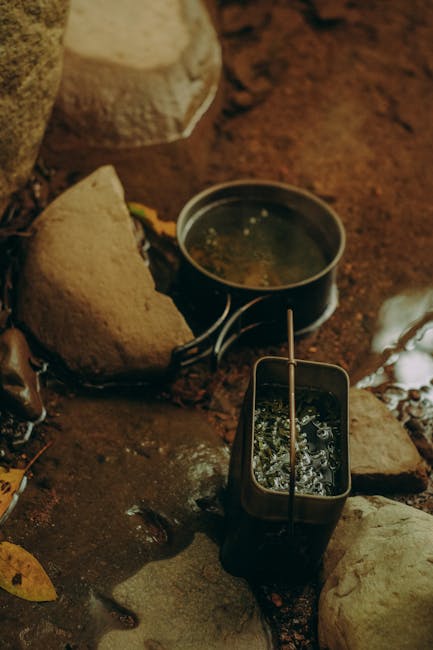
- Purification Methods: Boil water for at least one minute to kill pathogens. Chemical purification tablets, or a lightweight water filter, are also effective options for making water safe to drink.
4. Navigation Basics
Why Good Navigation Matters
Getting lost is a common issue in wilderness adventures. Basic navigation skills can help you find your way to safety and prevent panic.
Basic Navigation Tools and Tips
- Using a Compass: Understand how to read a compass and how it interacts with a map.
- Sun and Stars: The sun rises in the east and sets in the west, which can guide your direction during the day. At night, familiarize yourself with key constellations like the North Star in the Northern Hemisphere, a reliable indicator of north.
- Landmarks: Use natural landmarks to navigate and keep track of your progress on a map.
5. Signaling for Help
When and How to Signal for Help
If you’re lost or injured, knowing how to signal for help can expedite rescue.
Effective Signaling Techniques
- Visual Signals: Use mirrors, flashlights, or even make large symbols on the ground (such as an SOS) that can be seen from the air.
- Sound Signals: Whistles, shouting, or banging objects together can draw attention from rescuers nearby.
- Fire: A large fire (safely managed) can be seen for miles at night or create smoke signals during the day.
Conclusion: Be Prepared, Stay Safe
The top 5 survival skills everyone should know outdoors aren’t just about managing in the wilderness—they’re about enhancing your enjoyment and safety every time you step into nature. By mastering these skills, from building a shelter and starting a fire to navigating, finding water, and signaling for help, you equip yourself with the tools for a safer, more confident outdoor experience. Always remember, being prepared is not just a part of survival; it enhances your overall outdoor adventure. Happy exploring!