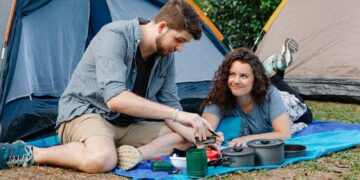
Ultimate Guide to Comfort and Safety: Backcountry Outdoor Living Tips for Every Adventurer
Exploring the backcountry offers an exciting adventure and a chance to connect with nature. However, it also presents unique challenges and risks. Whether you’re planning a multi-day hiking trip, a camping weekend, or any outdoor exploration, understanding the essentials of comfort and safety is crucial. This guide provides comprehensive tips and strategies to ensure that every adventurer, from the novice to the experienced, is well-prepared for their journey into the wilderness.
Preparing for Your Adventure
Proper preparation is the foundational step toward a successful and enjoyable backcountry experience. Here’s how you can start:
Research Your Destination
Understand the environment you’re venturing into. Look up weather conditions, wildlife activity, and terrain specifics. Websites, guidebooks, and local authorities like park services can provide valuable information.
Pack Smart
Select gear that’s versatile, durable, and necessary. Essentials include a reliable tent, a sleeping bag suited for the climate, a high-quality backpack, and multiple layers of clothing to accommodate weather changes.
Navigation Tools
Despite the digital age, always carry a physical map and compass. GPS devices and smartphone apps are handy, but they should not be relied upon solely due to battery life limitations and potential service unavailability.
Setting Up Your Camp
Your campsite is your home base in the wilderness. Here are some tips for selecting a safe and comfortable camp area:
Choosing a Site
Pick a location that’s flat and free from overhead hazards like loose branches. Ensure the site is at a safe distance from bodies of water to avoid flooding and heavy dew. Also, consider wind exposure and sun direction.
Water Source Accessibility
Your campsite should be near a water source, but not too close to prevent contamination and provide convenience. Plan how you will treat water to make it safe for drinking, either through boiling, chemical treatments, or a water filter.
Respect Wildlife
Keep food stored securely and away from your sleeping area, using bear-proof containers or hanging the items between trees. Be aware of your environment and the animals that live there, keeping your distance and securing food scraps and garbage.
Safe and Efficient Travel
Moving through the backcountry requires energy, skill, and caution to avoid accidents and getting lost.
Maintain a Manageable Pace
Set a travel pace that all members of your party can comfortably maintain. It helps in conserving energy and reduces the risk of injuries.
Use Proper Footwear
Footwear should be chosen based on terrain and weather conditions. Make sure your boots are well-broken-in to prevent blisters.
Stay Hydrated and Nourished
Carry sufficient water and high-energy food to keep up your stamina. Dehydration and fatigue can make you more susceptible to accidents and illness.
Emergency Preparedness
No matter how well you plan, emergencies can happen. Being prepared is your best defense:
First Aid Knowledge
Learn basic first aid techniques and carry a well-stocked first aid kit. Knowing how to treat minor injuries can prevent them from becoming major ones.
Emergency Communication
Carry a whistle and a mirror for signaling, and consider investing in a satellite phone or a personal locator beacon (PLB) for areas where cell reception is unreliable.
Plan for Quick Exit
Always have a backup plan for evacuating the area in case of critical emergencies or weather changes. Inform someone of your route and expected return time.
Leave No Trace
Respecting nature is essential. Always follow Leave No Trace principles to minimize your impact on the environment:
Take Out What You Bring In
Maintain cleanliness by packing out all trash, leftover food, and litter.
Respect Surroundings and Wildlife
Observe wildlife from a distance, do not feed animals, and avoid altering or damaging their natural habitat.
Conclusion
Backcountry adventures can be thrilling and rewarding experiences when undertaken with due preparation and respect for nature. By implementing these safety and comfort guidelines, adventurers can ensure they enjoy their outdoor experiences while preserving the beauty and integrity of the wilderness for future explorers. Prepare well, stay alert, and treasure every moment in the great outdoors!