Ultimate Guide to Setting Up Your Off-Grid Outdoor Kitchen
Setting up an off-grid outdoor kitchen combines the rustic appeal of outdoor living with the joys of cooking in the fresh air. Whether you’re a seasoned camper, a homesteader, or just looking to expand your living space outdoors, this guide will help you create a functional and enjoyable outdoor cooking area. Read on to discover how to plan, equip, and enjoy your perfect off-grid outdoor kitchen.
Understanding the Basics of an Off-Grid Outdoor Kitchen
An off-grid outdoor kitchen is essentially a cooking space that doesn’t rely on traditional utility connections. Instead, it harnesses natural resources like sunlight and water, and often uses alternative energy sources such as solar power and propane. Ideal for remote locations without access to utilities, these kitchens offer freedom and connection with nature, making your culinary adventures truly special.
Benefits of an Off-Grid Kitchen
Such kitchens provide numerous benefits including reduced utility costs, environmental sustainability, and the ability to cook and dine in the great outdoors. They’re perfect for those who enjoy DIY projects and have a passion for eco-friendly living.
Planning Your Outdoor Kitchen
Effective planning is crucial for creating a functional and efficient kitchen that meets your outdoor cooking needs.
Choosing the Right Location
Select a location safe from harsh weather conditions while offering convenience. The area should be flat, well-drained, and close to your food garden or water source if possible.
Designing the Layout
Consider the “work triangle” concept commonly used in indoor kitchens — sink, stove, and refrigerator. Even outdoors, planning your space with efficiency in mind ensures a more functional kitchen.
Complying with Local Regulations
Check local codes and regulations to ensure your outdoor kitchen design complies. This might include fire safety laws, especially if you’re planning to use a wood-fired oven or open flames.
Equipping Your Outdoor Kitchen
Selecting the right equipment can make or break your off-grid kitchen experience. Here’s what you’ll need:
Cooking Equipment
Options include portable gas stoves, wood fire ovens, or solar cookers. Each has its pros and cons depending on your cooking style and the recipes you plan to prepare.
Energy Sources
Solar panels can power small appliances while propane tanks are great for stoves and grills. Consider also having a backup system like a generator for cloudy days.
Water System
Install a rainwater catchment system with filtration or use large water jugs that you can refill as needed. For hot water, solar water heaters are a practical choice.
Refrigeration
Consider using a propane-powered fridge, or invest in a well-insulated cooler for storing perishables. For longer-term solutions, explore options like a zeer pot (a non-electric refrigerator).
Storage Solutions
Use weather-resistant cabinets or build storage that can withstand the elements. Creatively use your space, incorporating hanging utensils or foldable shelves.
Making the Most of Your Outdoor Cooking Experience
To truly enjoy your outdoor kitchen, consider the following tips:
Plan Your Meals
Think about what meals are feasible to cook with your setup and plan your grocery trips accordingly. Utilizing fresh, local ingredients can enhance both the experience and the flavors of your dishes.
Outdoor Dining Area
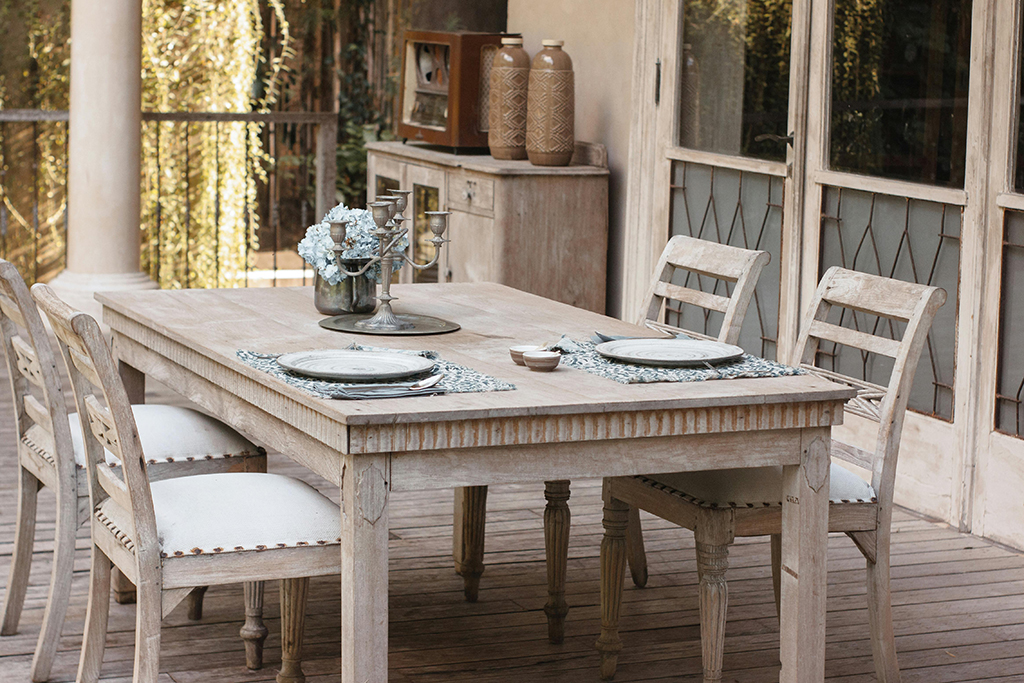
Create a comfortable dining area. Whether it involves rustic benches around a campfire or a fully furnished dining set, ensure your outdoor dining space is inviting.
Maintenance Tips
Keep your outdoor kitchen in top shape by regularly cleaning all surfaces and equipment. Cover appliances to protect them from the elements and store any portable items securely when not in use.
Frequently Asked Questions About Off-Grid Kitchens
How do I handle waste and leftovers?
Compost organic waste and plan meals to minimize leftovers. For non-compostables, ensure you have a plan for disposal that aligns with environmental guidelines.
Is it expensive to set up an off-grid outdoor kitchen?
The initial setup can be an investment, especially if opting for high-quality, durable materials and equipment. However, many find that the reduction in utility bills and the added value to their property makes it worthwhile.
Can I use my outdoor kitchen year-round?
This depends on your climate. In colder regions, seasonal use might be more realistic, unless you have a sheltered setup or climate control features.
Conclusion
An off-grid outdoor kitchen not only enhances your living space but also opens up new possibilities for culinary adventure. By carefully planning your space, choosing the right equipment, and following best practices in maintenance, you can enjoy endless days of delicious meals and memorable moments, all surrounded by the great outdoors. Happy cooking!