Unlocking Nature’s Pantry: Essential Tips for Survival Food Sourcing in the Wild
Whether you’re an avid adventurer stepping off the beaten path, or you find yourself in an unexpected survival scenario, knowing how to source food from the wilderness can be crucial. The vast outdoors holds a pantry of edible resources that can sustain you, if you know where to look and what to look for. This guide will explore essential tips and techniques to help you securely and sustainably harvest nature’s offerings.
Understanding the Basics of Wild Edibles
Before diving into the abundance of the wild, it’s vital to lay a foundation of the basic principles of foraging for wild edibles. Proper knowledge and identification are key to ensuring safety and nutritional benefit.
Identifying Safe Wild Foods
Many plants, berries, and mushrooms in nature can look inviting but are actually harmful if consumed. Always carry a field guide or a mobile app dedicated to regional flora and fauna to help with identification. Here’s a quick breakdown on what generally to look for and avoid:
- Leaves: Groups of three leaves should often be avoided, as this pattern is common in poisonous plants like poison ivy.
- Odor: A plant with a strong, unpleasant odor could be a sign of toxicity.
- Berries: While many berries are nutritious and safe, some are poisonous. Avoid white berries, as a majority of these are toxic.
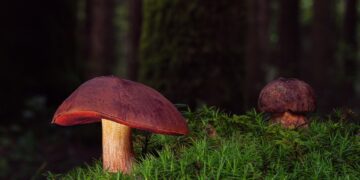
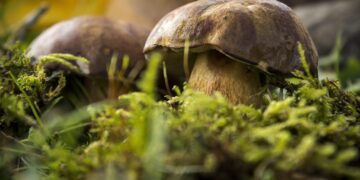
- Mushrooms: Never consume a wild mushroom unless you are absolutely sure about its species. Some edible mushrooms have deadly look-alikes.
Harvesting Techniques
When you forage, it’s important to do so responsibly to preserve the ecosystem. Here are some tips:
- Only take what you need and leave enough behind for the plant to continue growing.
- Avoid pulling out roots when harvesting plants. Instead, use a knife or scissors to cut leaves or stems.
- Be mindful of where you step to avoid harming unseen plant life.
Where to Find Edible Plants and Insects
The type of environment you are in will largely dictate what kind of food sources you can expect to find. Here are some common biomes and their respective food sources:
Forests
Dense with biodiversity, forests can be rich in nuts, berries, and fungi. Edibles like blackberries, walnuts, and chanterelle mushrooms often thrive here. Forest streams may also offer freshwater fish or crayfish.
Coastlines
Coastal regions provide unique foraging opportunities. Seaweed—rich in iodine and other minerals—is plentiful. Shellfish like mussels can often be collected at low tide but be aware of local red tide warnings, which indicate toxic conditions.
Grasslands and Open Fields
These areas may seem barren at first glance but can host a variety of edible plants. Look for dandelions, which are fully edible, and wild onions or garlic. Bees making honey can also be a sugar-rich resource if you’re skilled in safe collection techniques.
Testing for Edibility
If you’re uncertain about plant safety even after consultation with guides, perform an edibility test:
- Place a piece of the plant on your inner elbow or wrist for 15 minutes to check for skin reactions.
- If there’s no reaction, next try touching a small piece to your lips, then wait again.
- If there’s still no reaction, chew a small piece and hold it in your mouth for 15 minutes but do not swallow. If all feels well, you can consider swallowing a tiny bit.
- Wait several hours. If there are no adverse reactions, the plant is likely safe to consume in moderation.
Field Preparation of Gathered Foods
Gathering wild edibles is just step one. Knowing how to prepare them is equally essential. Here are some basic tips:
- Cleaning: Always clean all edibles thoroughly to remove dirt or potential pesticides.
- Cooking: Some wild plants can be eaten raw, but cooking can make certain nutrients more digestible and neutralize toxins.
For instance, cooking nettles removes their sting, and boiling certain bitter greens can reduce their bitterness.
Conclusion: Embrace the Wild Responsibly
Armed with the right knowledge and tools, foraging for your food can add an enriching dimension to your outdoor adventures or be a lifesaving skill in survival situations. Remember to always respect nature’s balance, prioritize personal safety with proper identification and testing, and enjoy the bounty that nature provides with gratitude and care.
By exploring the natural environment as a source of sustenance, you reconnect with the earth on a fundamental level. So, step out and unlock the pantry hidden in the wilderness, and let the journey nourish both your body and spirit.